
Your Dog Travel Safety Guides

Dog Travel Safety: How to Keep Your Dog Safe on Every Trip

Everything you need to keep your dog safe in the car and on the road—harness vs crate, hot car dangers, car sickness, packing lists, and more.

Dog travel safety starts before you turn the key. Whether it’s a quick trip to the vet or a cross-country road trip, the right preparation makes every mile safer for your dog.

This hub collects every guide in our Dog Travel & Car Safety series, so you can plan ahead, spot the risks, and keep your dog comfortable and secure on the road.

Quick answer: Dog travel safety means securing your dog properly in the car, preventing heatstroke in parked cars, managing motion sickness, and packing the right gear for the trip. This series covers crash-tested harnesses, crates, hot car dangers, car sickness, road trip packing lists, and more

Who This Section Is For

This section is for dog owners who want to travel safely with their dogs:

  • You’re planning a road trip or long drive with your dog

  • You want to know the safest way to secure your dog in the car

  • You’re worried about hot cars, car sickness, or travel anxiety

  • You want a packing list for your next trip

Start Here

Start with the complete guide—then dive into each topic.

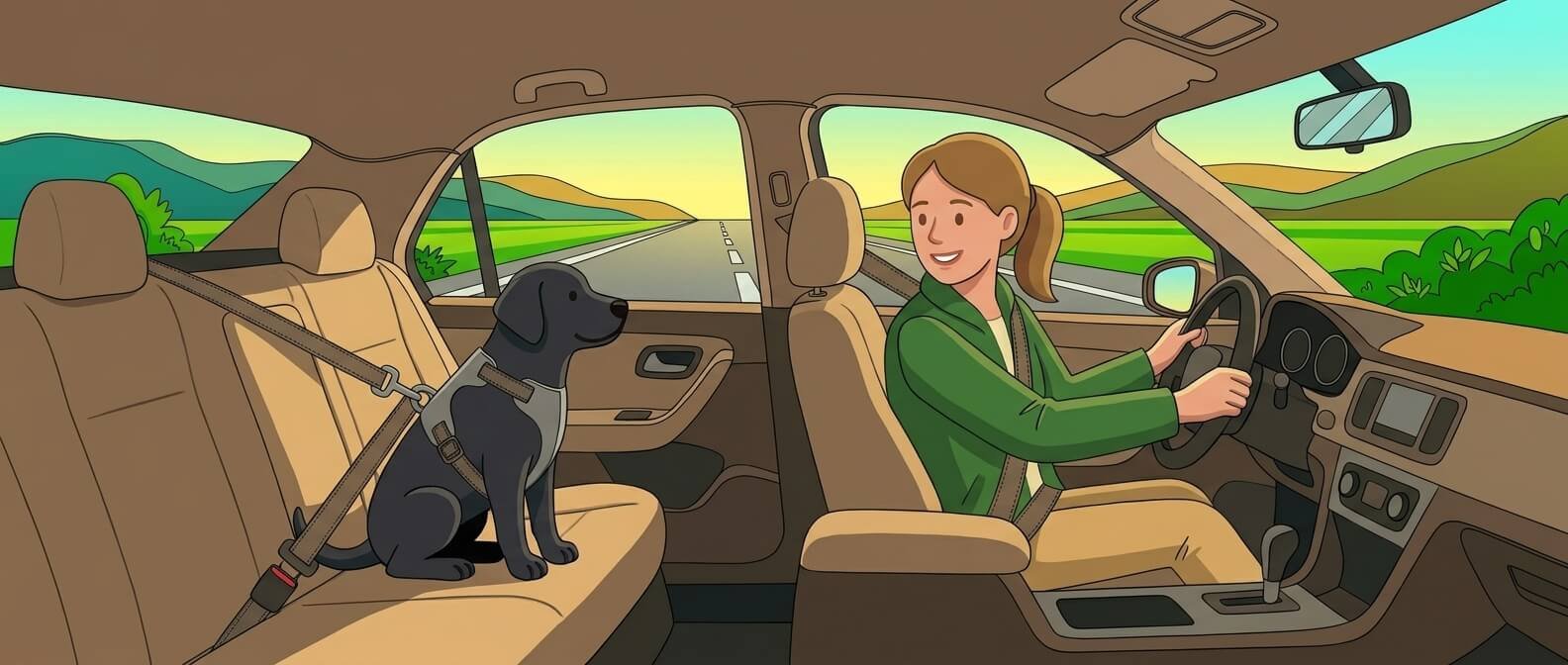
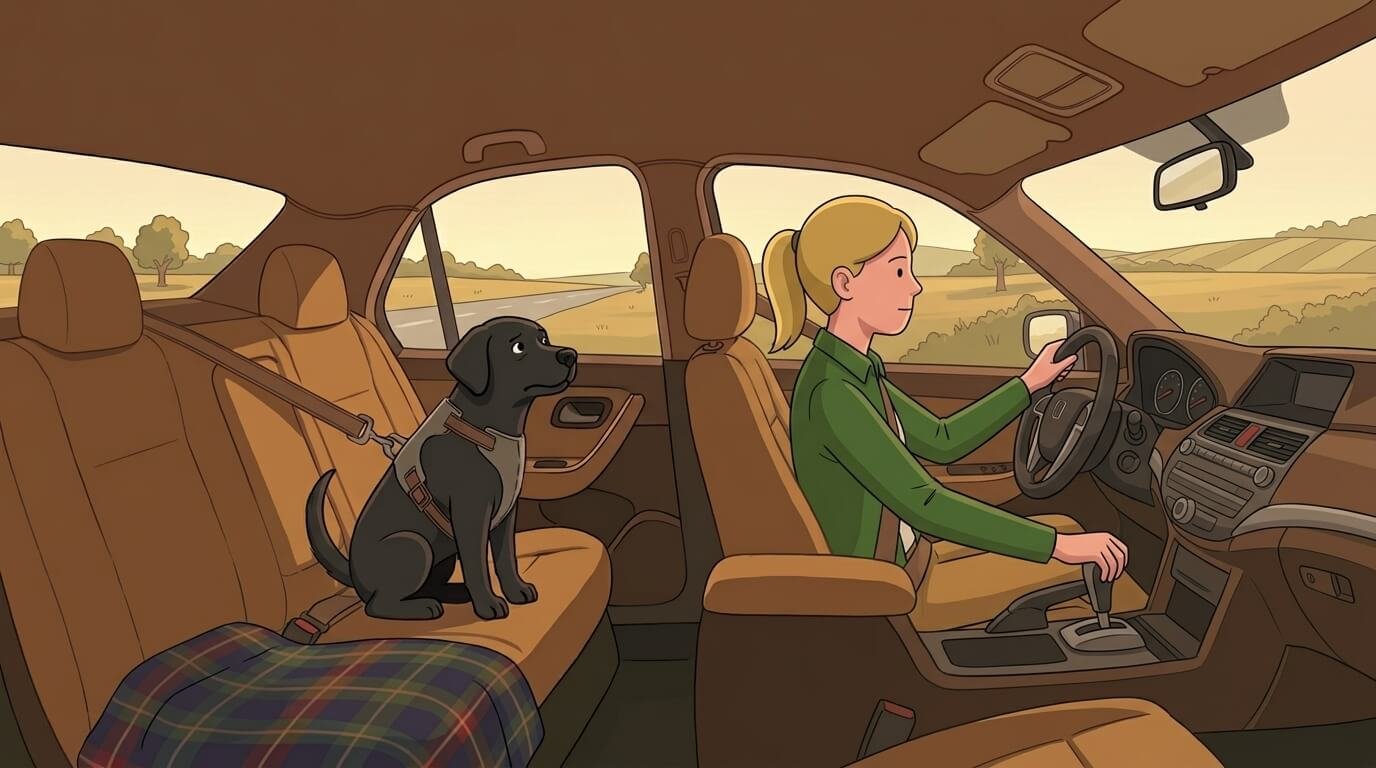
a dog secured in a crash-tested harness attached to a seat belt in the back seat of a car while the owner glances back with a smile

Dog Car Safety: The Complete Guide to Traveling Safely with Your Pup

Lost dog prevention starts with three simple steps: microchips, ID tags, and GPS trackers. Learn how each one works—and why you need all three to keep your dog safe.mething goes wrong outdoors.
Read the Guide →

Go Deeper

Once you’ve got the basics down, these deep-dive guides cover specific situations in more detail.

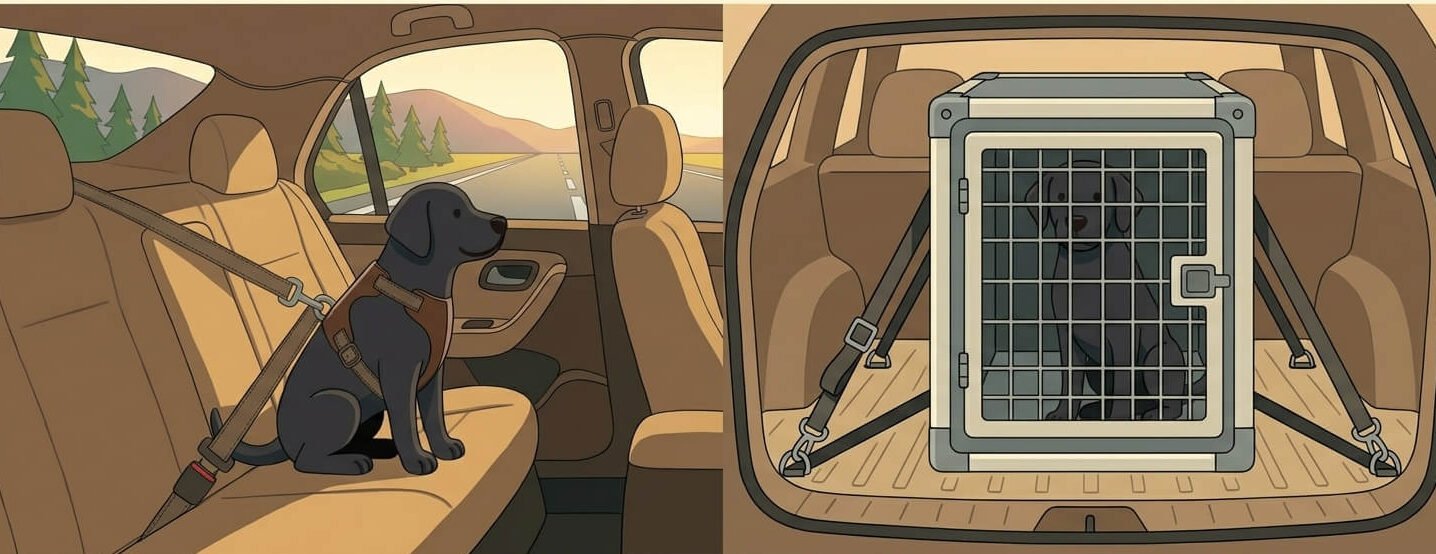
Crash tested dog harness vs crate — dog secured in a harness in the back seat and a crate strapped down in the cargo area
Dog Travel & Car Safety

Crash-Tested Harness vs Crate:
Which Is Safer for Your Dog?

Crash-tested dog harness or crate — which is safer? Compare crash test results, costs, and real-world performance.
View this guide →
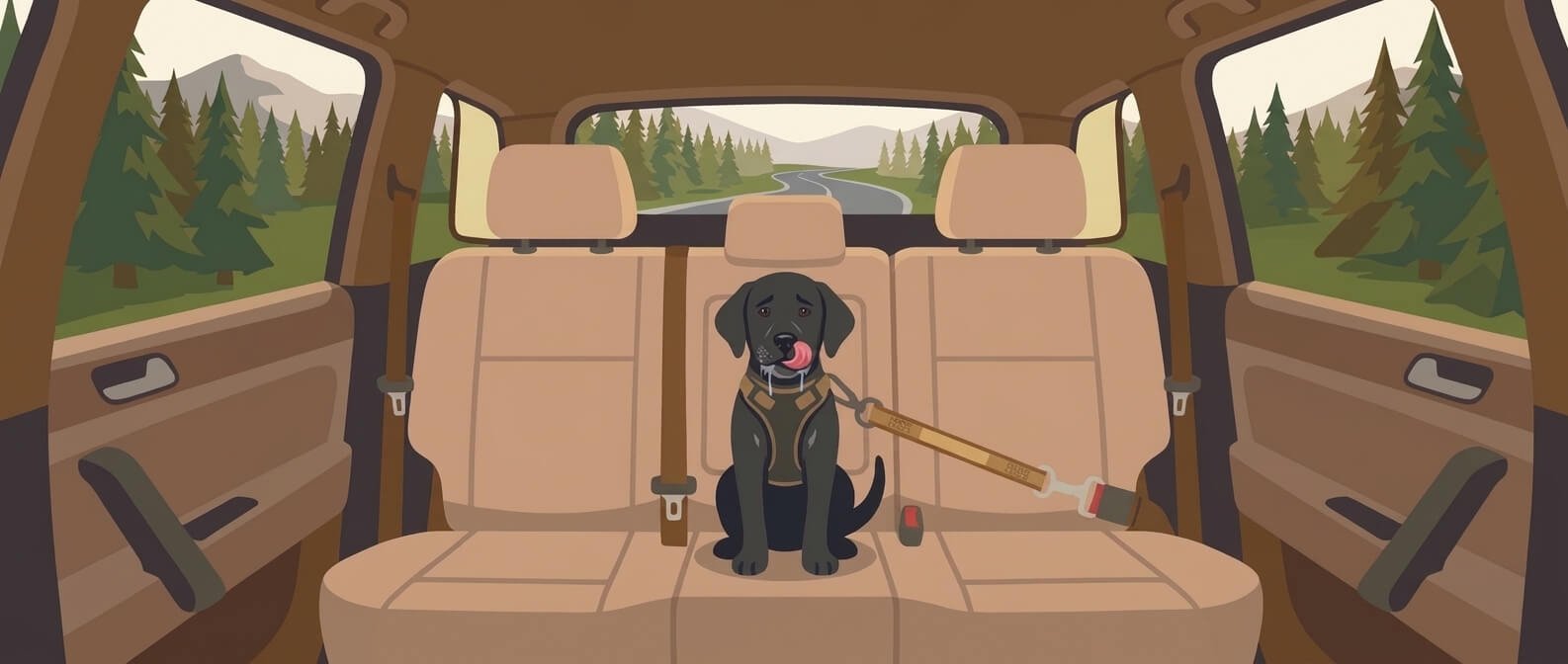
how to prevent car sickness in dogs-— drooling, lip licking, yawning
Dog Travel & Car Safety

How to Prevent Car Sickness in Dogs:
Training, Remedies & Medication

Learn how to prevent car sickness in dogs with training tips, natural remedies, and vet-approved medications — plus practical strategies for calmer rides.
View this guide →
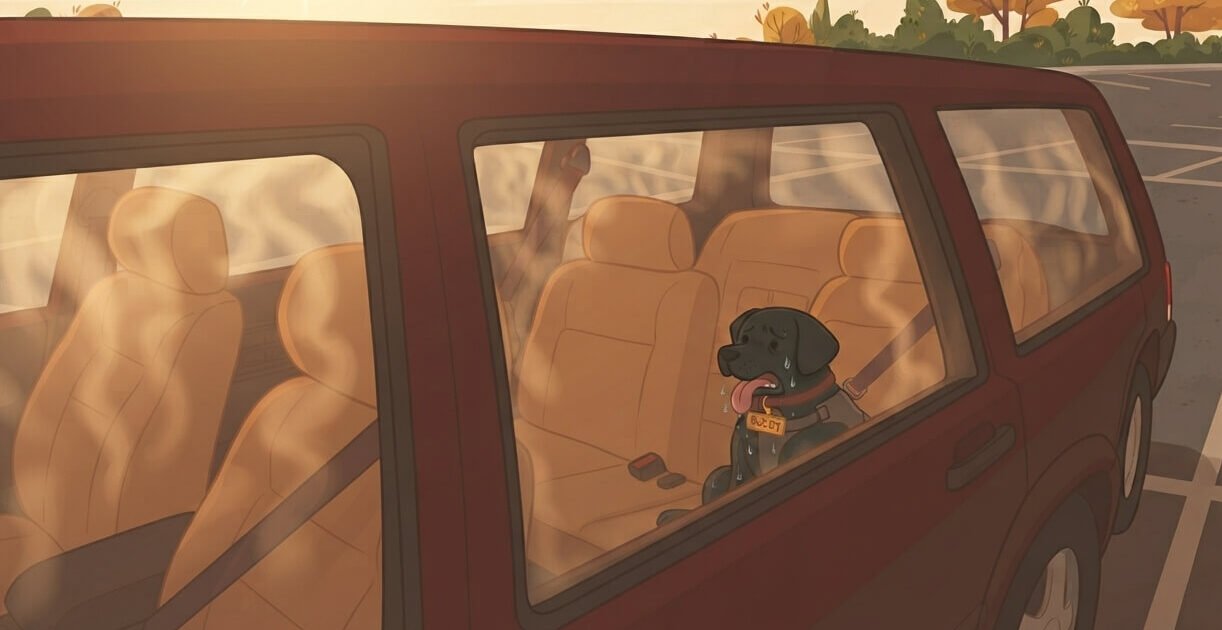
Dog alone in a hot parked car with temperature rising — dog car safety
Dog Travel & Car Safety

Hot Car Dangers for Dogs:
Why Parked Cars Are Deadly

Hot car dangers for dogs are real — even on mild days. Learn how fast temperatures rise, heatstroke signs, and what to do if you see a dog in a hot car.
View this guide →
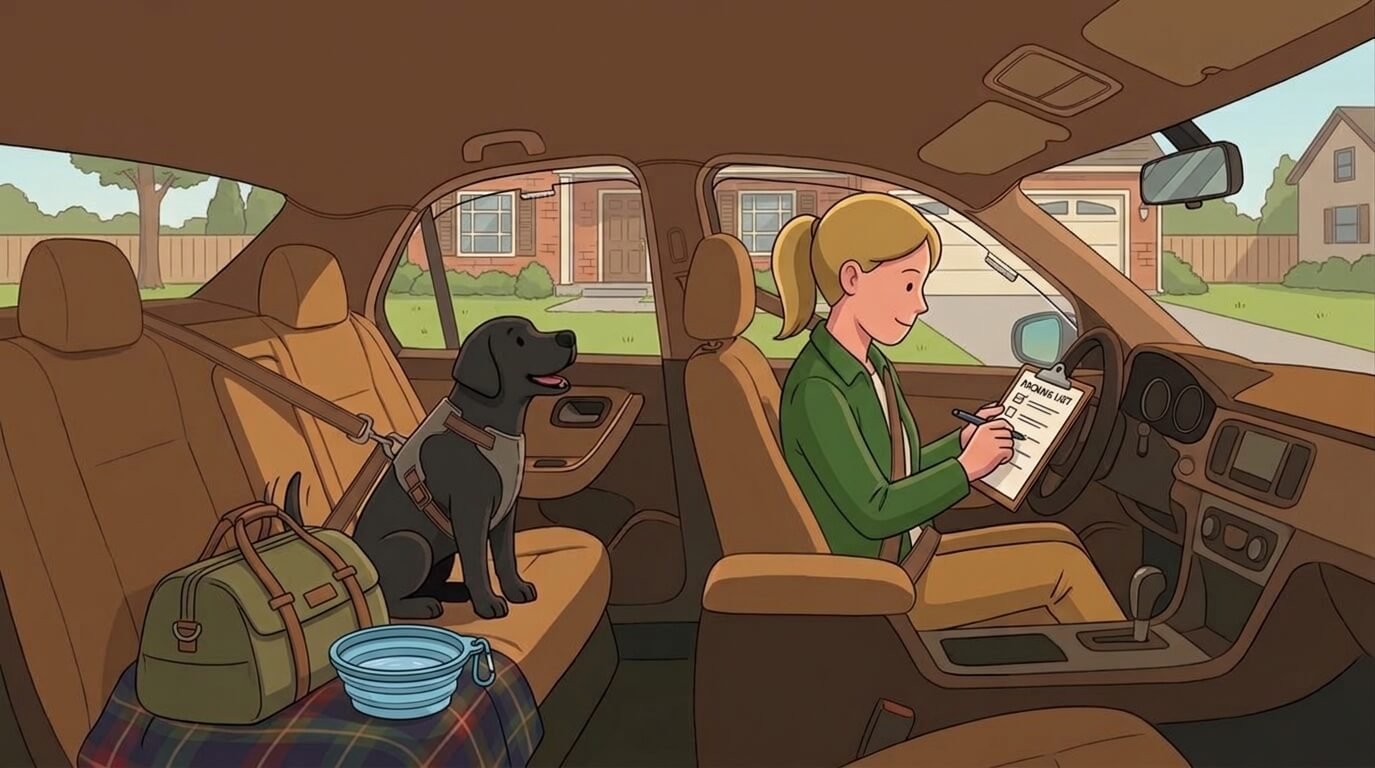
road trip packing list for dogs — what to bring for your dog
Dog Travel & Car Safety

Road Trip Packing List for Dogs:
What to Bring

Learn how to prevent car sickness in dogs with training tips, natural remedies, and vet-approved medications — plus practical strategies for calmer rides
View this guide →
how to help an anxious dog enjoy car rides
Wildlife & Environmental Risks

How to Help an Anxious Dog Enjoy Car Rides:
Training & Calming Tips

How to help an anxious dog enjoy car rides — learn desensitization, counterconditioning, calming aids, and vet-approved strategies for stress-free travel.

View this guide →

Frequently Asked Questions

A crash-tested harness or a crash-tested crate are the two safest options. A regular harness or a seat belt alone is not enough—it needs to be crash-tested. See our Harness vs Crate guide.

On an 85°F day, the inside of a car can reach 120°F in just 10 minutes. Dogs can suffer heatstroke in minutes—and die within 15. Never leave your dog in a parked car. See our Hot Car Dangers guide.

Start with short trips, keep the car cool, avoid feeding right before travel, and talk to your vet about anti-nausea medication. See our Car Sickness guide.

Water, a collapsible bowl, food, medications, a first-aid kit, a leash, waste bags, and your dog's ID and vaccination records. See our Road Trip Packing List.

Start with short, positive trips, use high-value treats, and gradually increase distance. For severe anxiety, talk to your vet about behavior modification or medication. See our Anxious Dog Car Rides guide.

Walking at night carries a higher risk of coyote encounters—they're nocturnal hunters and more active after dark. If you must walk at night:

  • Carry a powerful flashlight (coyotes will avoid bright light).

  • Stay in well-lit areas.

  • Keep your dog on a short leash.

  • Make noise—talk loudly, sing, or wear bells on your leash.

  • Carry a whistle or air horn.

Walking at night carries a higher risk of coyote encounters—they're nocturnal hunters and more active after dark. If you must walk at night:

  • Carry a powerful flashlight (coyotes will avoid bright light)

  • Stay in well-lit areas

  • Keep your dog on a short leash

  • Make noise—talk loudly, sing, or wear bells on your leash

  • Carry a whistle or air horn

lifestyle and local disease risk warrant the vaccine. It requires an annual booster.

Disclaimer: This content is for informational purposes only and does not constitute veterinary or professional safety advice. Always consult with a qualified veterinarian or professional dog trainer regarding your dog’s specific needs and safety considerations.