

Your Lost Dog Prevention Guides

Lost Dog Prevention: How to Keep Your Dog Safe and Found

A complete guide to keeping your dog safe—microchips, ID tags, GPS trackers, recall training, and what to do if the worst happens.

Lost dog prevention starts long before your dog ever slips out the door—and it’s one of the most overlooked parts of outdoor dog safety. Every year, millions of dogs go missing. Most are found—but only if they have the right identification and a prepared owner.

This hub collects every guide in our Lost Dog Prevention series, so you can build a system that works: microchips, ID tags, GPS trackers, recall training, and a step-by-step plan for the moment something goes wrong.

Quick Answer: Quick answer: Lost dog prevention means layering three types of identification—a microchip, an ID tag, and a GPS tracker—plus training a reliable recall. Each one covers a different failure point. Together, they give your dog the best possible chance of coming home.

Who This Section Is For

  • You want to prevent your dog from getting lost in the first place

  • You’re deciding between a microchip, ID tag, or GPS tracker

  • You want to know what to do if your dog goes missing

  • You want to train a reliable recall that works in an emergency

Start Here

Start with the complete guide—then dive into each layer in detail.

Illustration for lost dog prevention showing a close-up of a dog's collar with a metal ID tag and a small QR code tag attached.

Lost Dog Prevention: The Complete Guide to Microchips, ID Tags, and GPS Trackers

Lost dog prevention starts with three simple steps: microchips, ID tags, and GPS trackers. Learn how each one works—and why you need all three to keep your dog safe.mething goes wrong outdoors.
Read the Guide →

Go Deeper

Once you’ve got the basics down, these deep-dive guides cover specific situations in more detail.

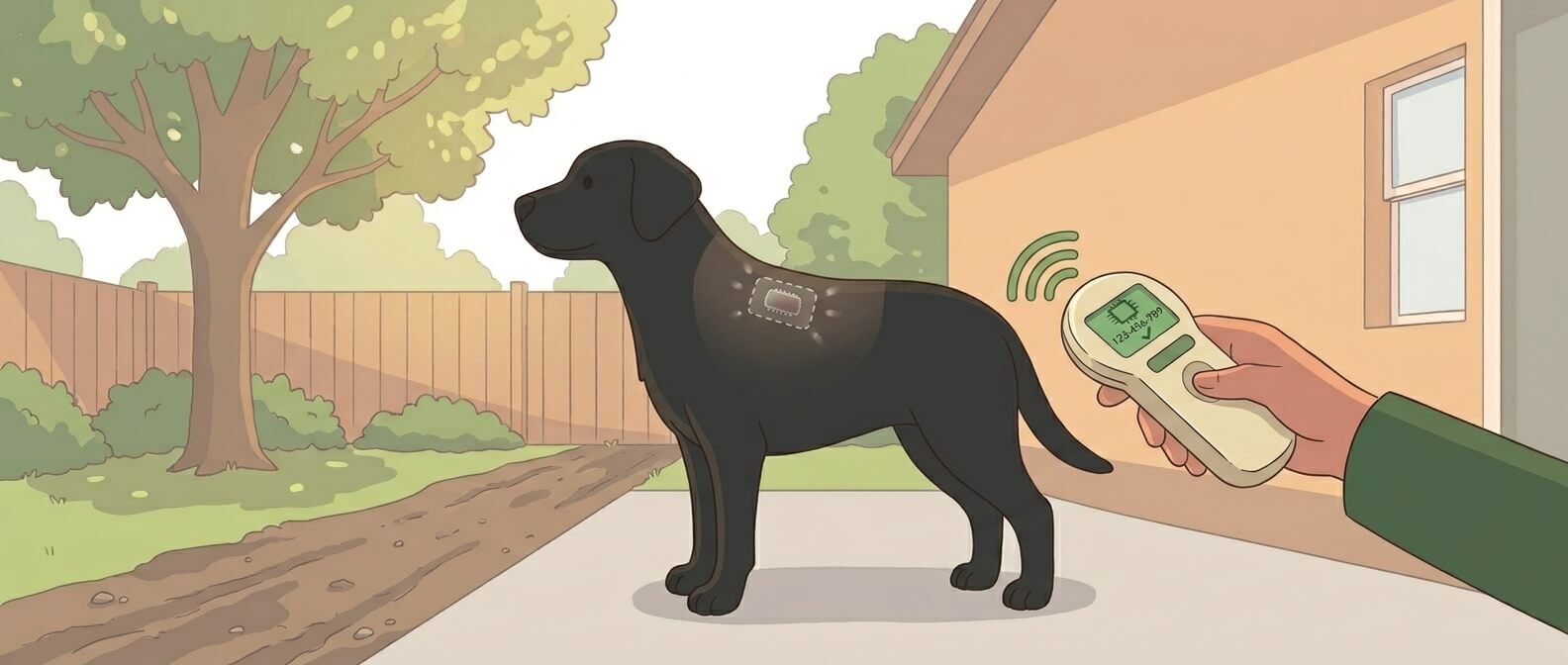
Illustration for lost dog prevention showing a microchip under a dog's skin being read by a handheld scanner, with the chip information displayed on the scanner screen.
Wildlife & Environmental Risks

Dog Microchip vs GPS Tracker: Which One Does Your Pup Need?

Dog microchip vs GPS tracker — which one is right for your pup? Learn the differences, costs, and why experts recommend using both to keep your dog safe.

View this guide →
Lost dog flyer with photo and phone number posted on a lamppost — what to do if your dog gets lost
Wildlife & Environmental Risks

What to Do If Your Dog Gets Lost: Step-by-Step Plan

Toxic water risks for dogs are real. Learn how to spot blue-green algae, prevent leptospirosis, and keep your dog safe around ponds, lakes, and puddles.
View this guide →
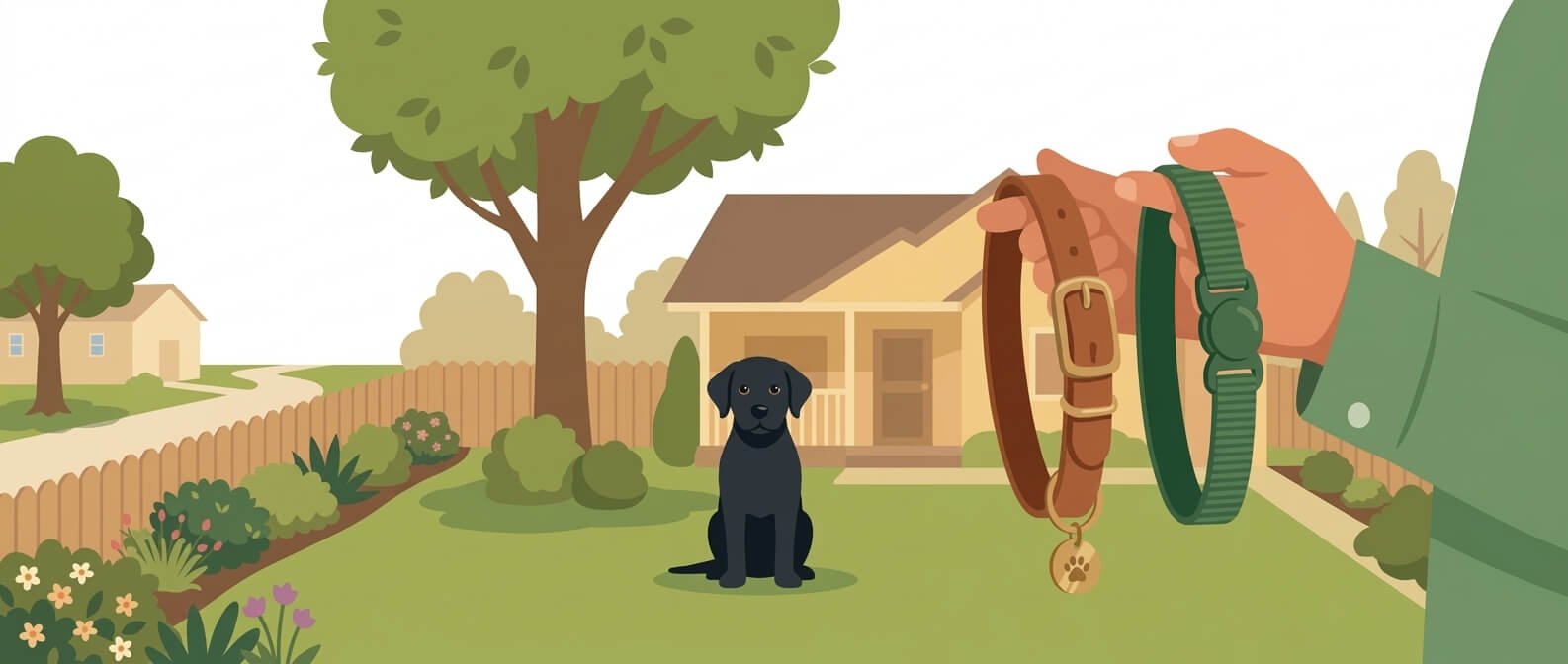
Cartoon illustration of different dog collar types hanging on a fence outdoors
Wildlife & Environmental Risks

Breakaway Collar vs Flat Collar for Dogs: Safety Trade-Offs Explained

Breakaway collar vs flat collar for dogs — which is safer? Learn the trade-offs, when to use each, and how to keep your dog safe.
View this guide →
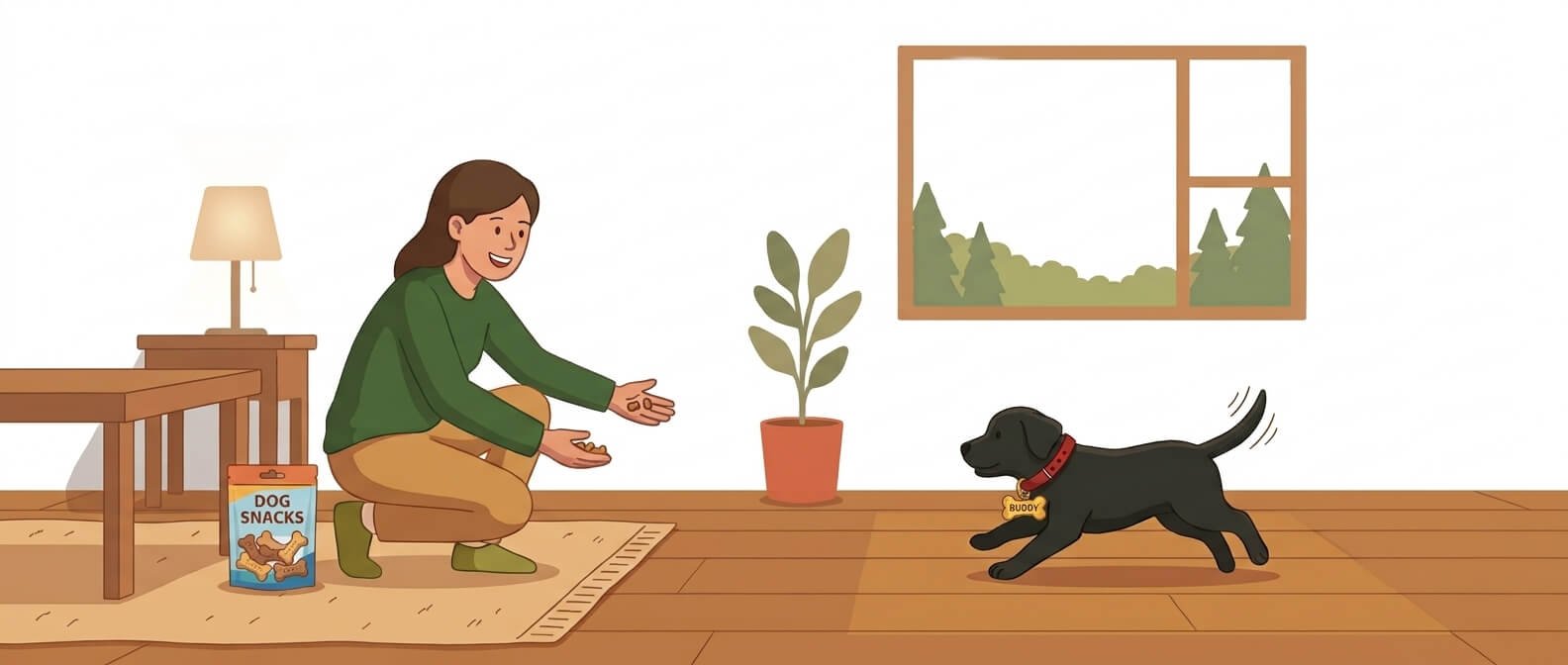
Owner calling their dog on a trail — how to train a dog recall
Wildlife & Environmental Risks

How to Train a Dog Recall: The Most Important Safety Command

How to train a dog recall that works — step-by-step guide from indoor practice to off-leash reliability, plus common mistakes to avoid.

View this guide →

Frequently Asked Questions

It's more common than most owners think — especially during travel, thunderstorms, and holiday fireworks. Dogs can slip out of collars, jump fences, or bolt when scared. The good news: most lost dogs are found when they have proper ID, a microchip, and an up-to-date contact number.

Act immediately. Start by searching your neighborhood on foot, then post on local Facebook groups, Nextdoor, and PawBoost. Call your microchip company and local shelters. Put up bright flyers within a 1-mile radius. The first 24 hours are the most critical.

No — a microchip is only useful if it's registered and your contact info is up to date. It also requires someone to scan your dog at a vet or shelter. Pair it with a visible ID tag on the collar so anyone who finds your dog can call you immediately.

A GPS tracker is a great backup, especially for dogs who bolt, hike off-leash, or travel with you. But it's not a replacement for a microchip or ID tag. Use all three: microchip + ID tag + GPS tracker. Trackers can lose signal, run out of battery, or fall off.

Contact local shelters and vets in the area immediately. Post in local Facebook groups for that city or region. Update your dog's microchip contact info to include a temporary number if possible. Keep a recent photo of your dog on your phone for flyers and posts.

Disclaimer: I’m a dog owner, not a veterinarian. This content is for informational purposes only and does not replace professional veterinary advice. Always check with your vet about your dog’s specific needs in extreme weather.