
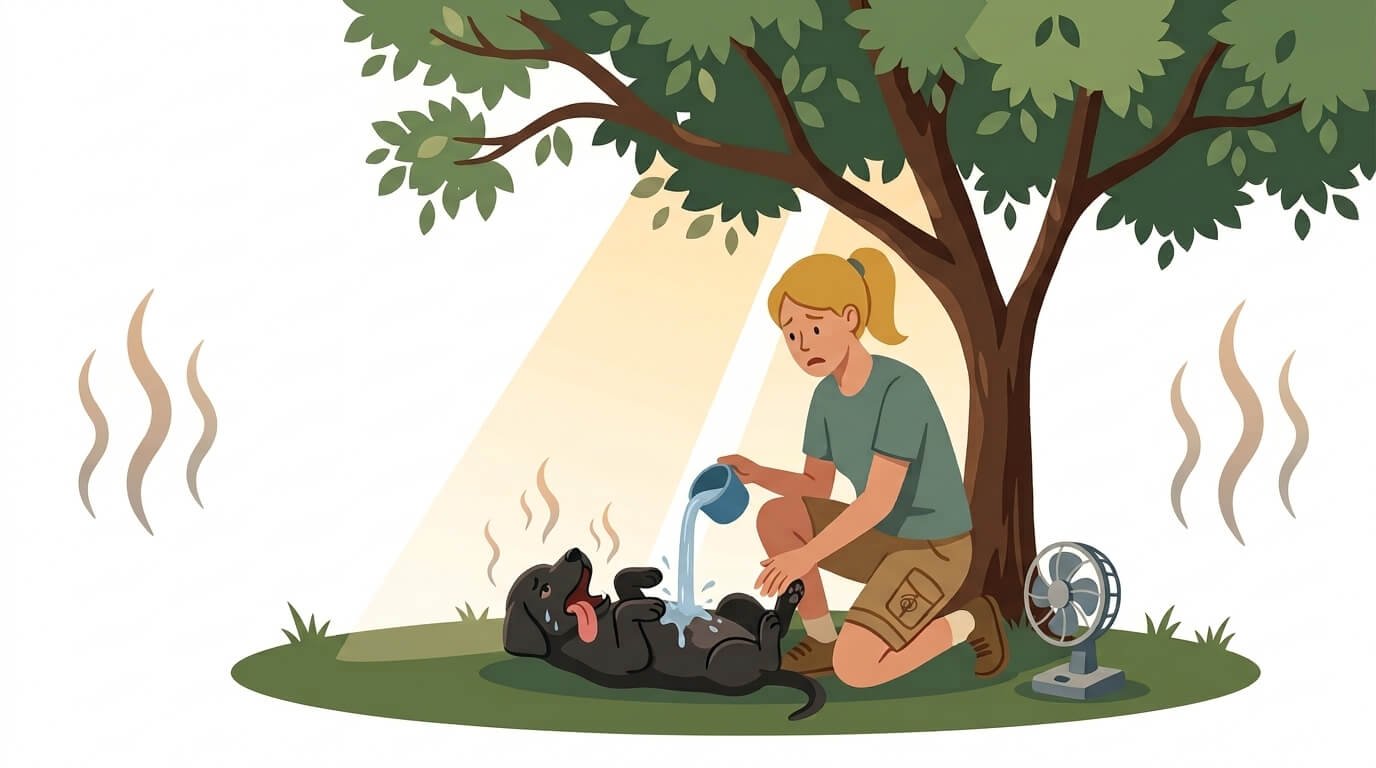
Heat & Weather Safety for Dogs:
How to Protect Your Dog in Any Season
Practical guides for protecting your dog in extreme heat, cold, rain, and storms — heatstroke, paw burns, frostbite, and more
Weather safety for dogs isn’t just about summer heat—it’s about every season. This is where we collect everything we’ve learned about keeping dogs safe in extreme conditions. Right now, our focus is heat and hot weather—with cold, rain, and storm guides coming soon.
Whether you’re dealing with heatstroke, paw pad burns, or the first cold snap of winter, start here.
Who This Section Is For
This section is for dog owners who want to keep their dogs safe in any weather:
-
You live in a hot climate and walk your dog year-round
-
You’re planning a summer hike or a winter walk
-
Your dog is a flat-faced breed, senior, or has a thick coat—and needs extra care
-
You want to know the signs of heatstroke, paw pad burns, or cold-weather injury
🌡️ Heat & Hot Weather
How to keep your dog safe in heat, hot pavement, and summer walks.
Heatstroke in Dogs: Signs, First Aid, and When to Call the Vet
The most important article in this section. Learn the early signs, what to do in the first 10 minutes, and when to call the vet.
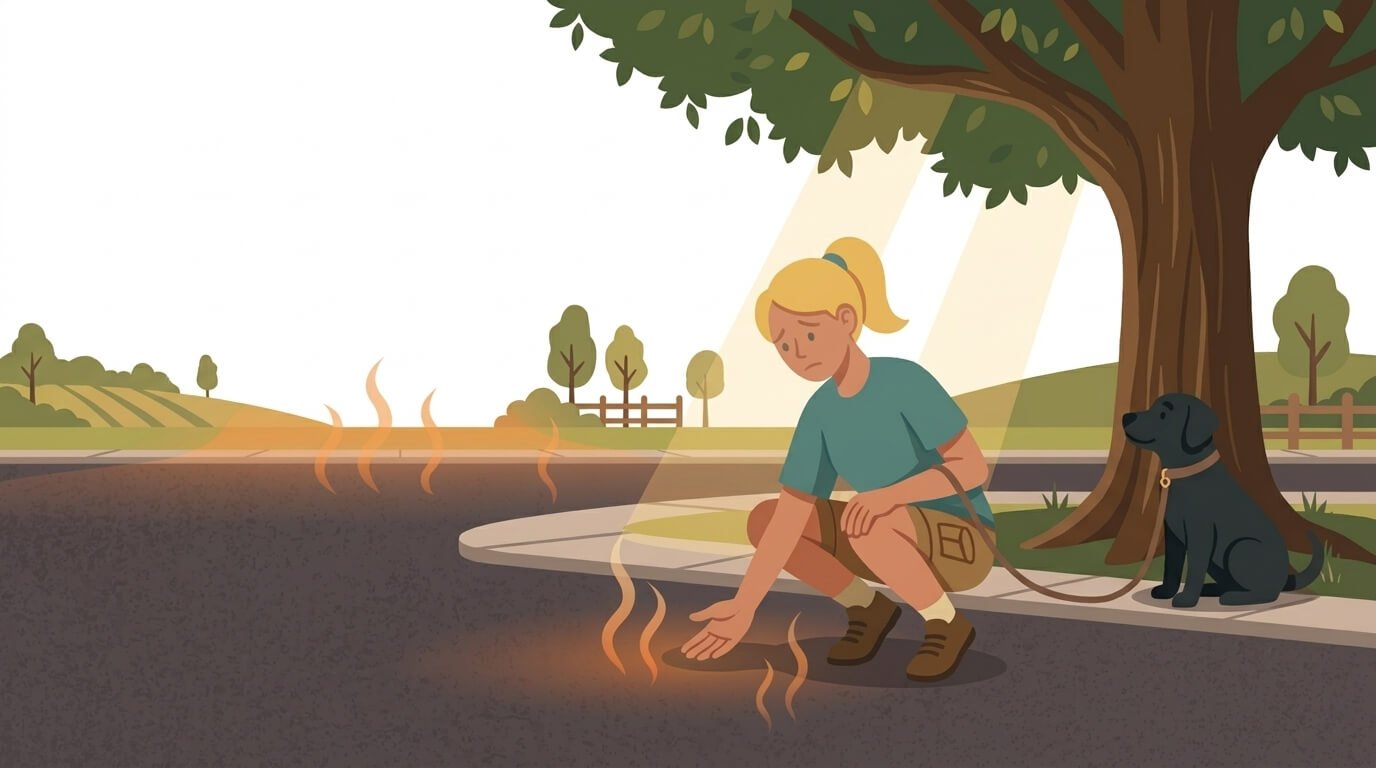
What Temperature Burns Dog Paws? Hot Pavement Safety & Summer Walking Tips
The 7-second pavement test, the real temperature threshold, and how to protect your dog's paws on hot summer walks.
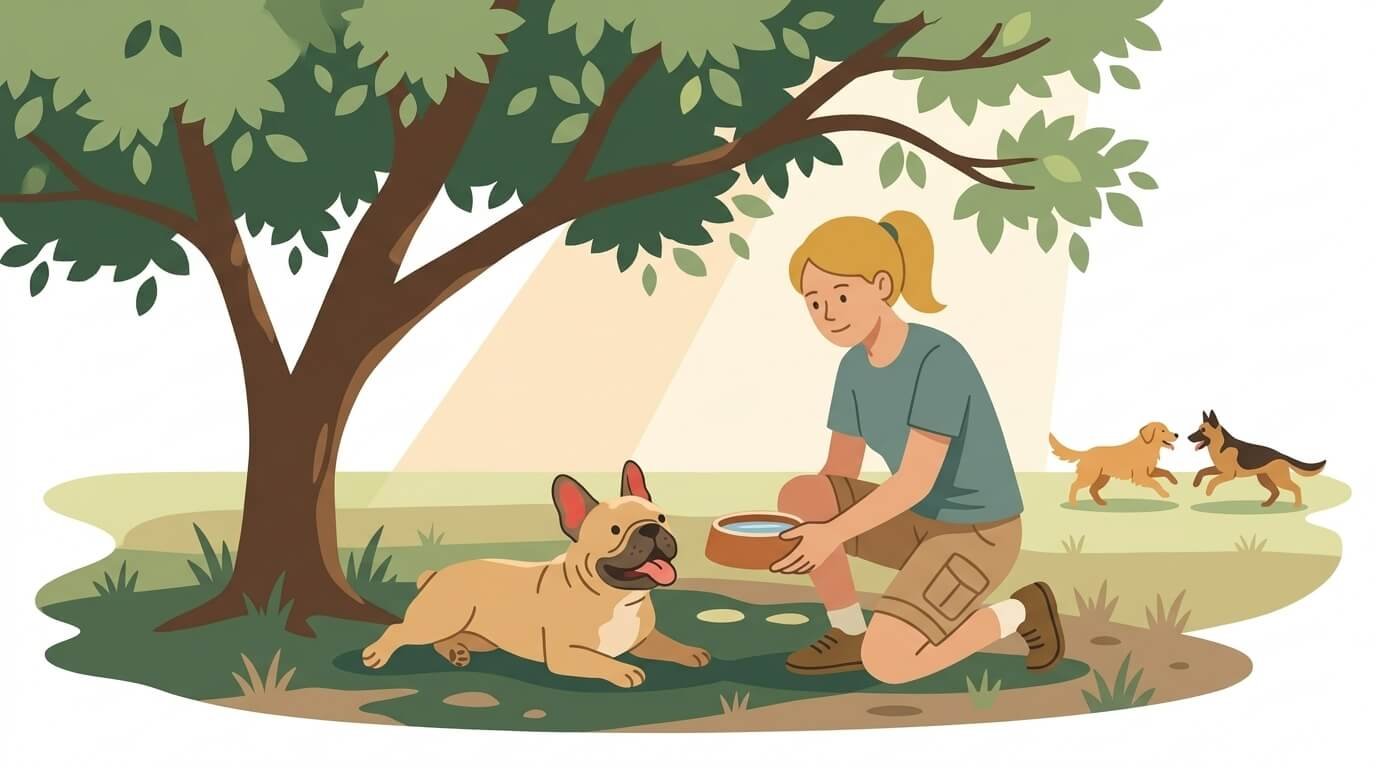
High-Risk Dogs and Heat: Summer Safety for Flat-Faced, Senior, and Fluffy Breeds
Why some dogs struggle in heat more than others—and how to adjust.
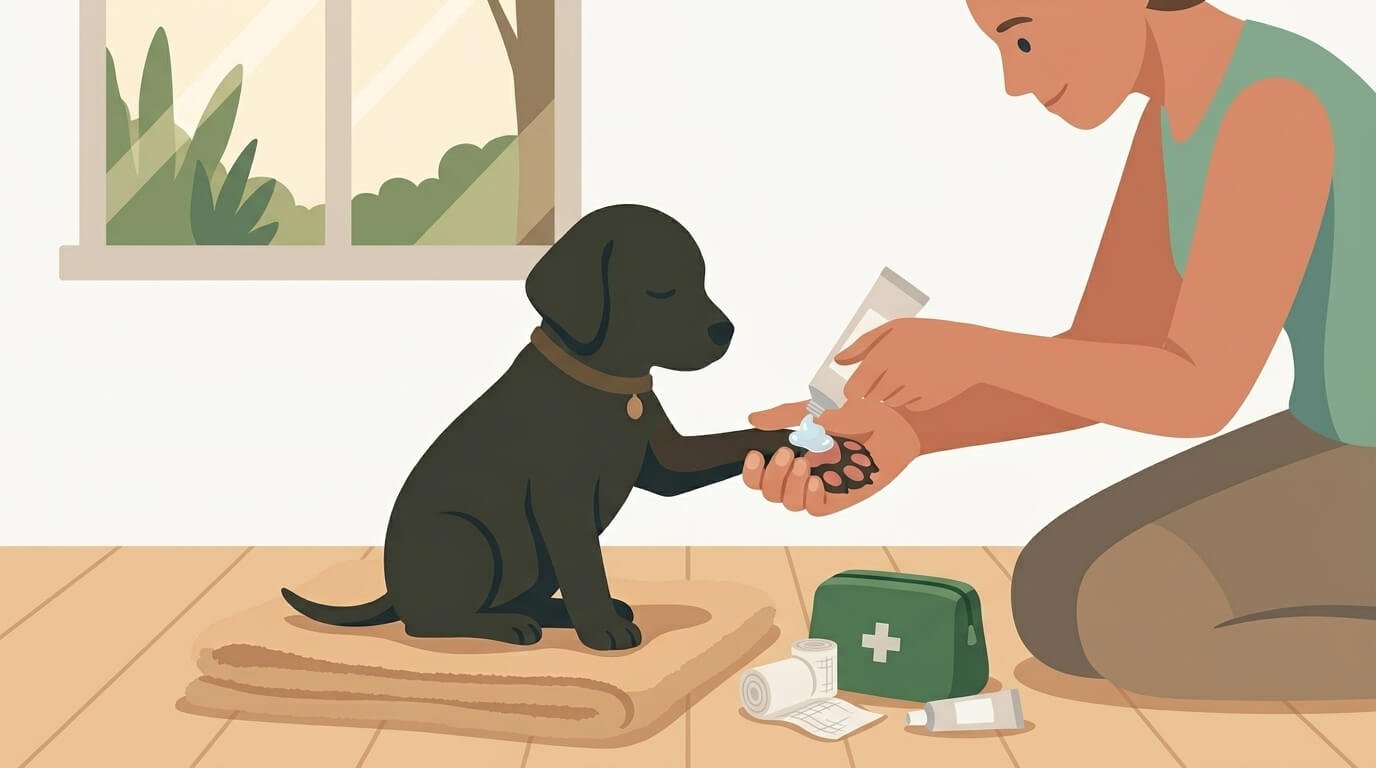
Dog Paw Pad Burns: How to Treat and Care for Your Dog's Feet
How to spot a burn, treat it in the field, and prevent it on the next walk.
❄️ Cold & Winter Dog Walking
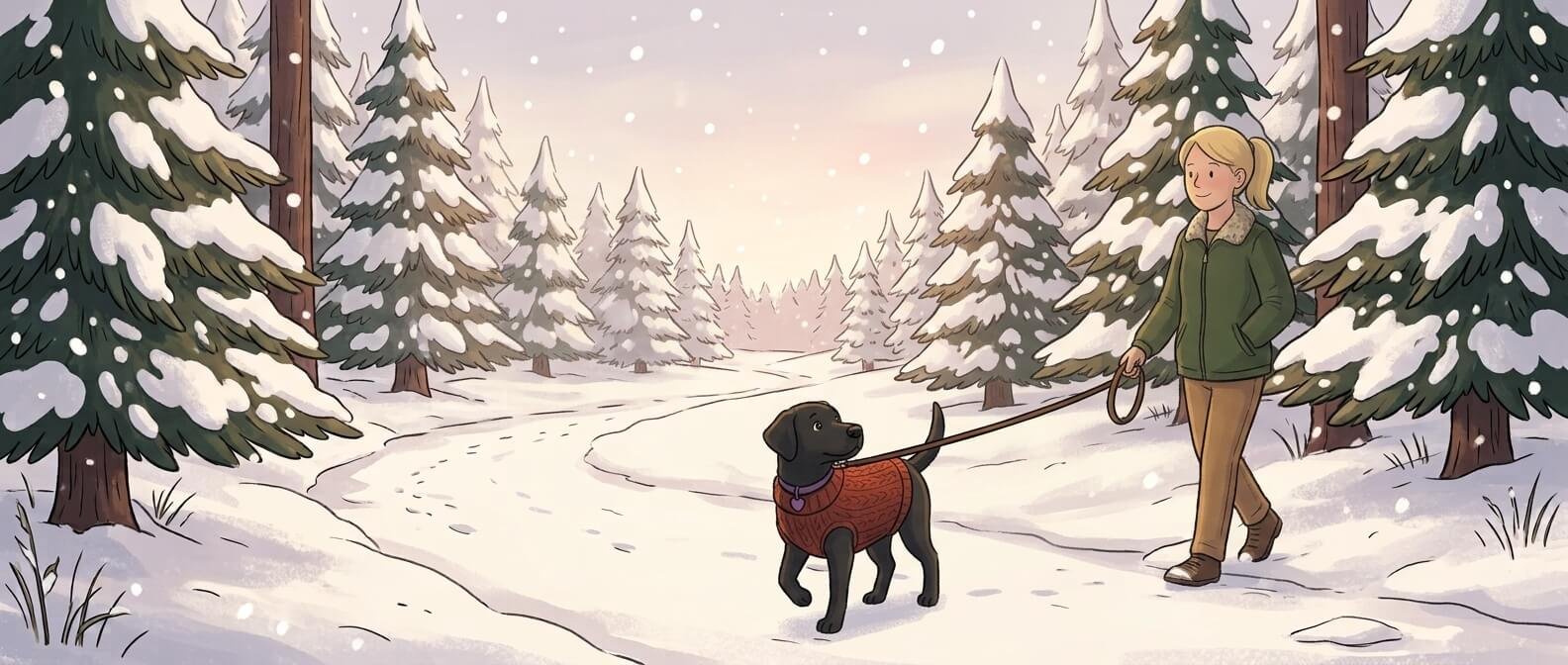
How to keep your dog safe in cold, ice, snow, and winter walks.
Winter Dog Walking Safety: How to Protect Your Dog from Cold, Ice, and Salt
How cold is too cold to walk your dog? Learn winter dog walking safety — hypothermia signs, paw protection, de-icing salt dangers, and cold weather gear.
🌧️ Rain & Storms
Coming soon: walking your dog in heavy rain, thunderstorm anxiety, and high-wind safety.
Quick Answers
Generally, above 85°F (29°C) with high humidity is risky. Above 90°F (32°C), stick to short walks in the early morning or late evening. See our What Temperature Burns Dog Paws? guide for the full breakdown.
Do the 7-second test: place the back of your hand on the pavement for 7 seconds. If it's too hot for you, it's too hot for your dog's paws.
Heavy panting, thick saliva, bright red gums, and refusing to move. If you see these, stop, cool your dog down, and call your vet. See our Heatstroke in Dogs guide.
Flat-faced breeds (Frenchies, Pugs, Bulldogs), seniors, puppies, overweight dogs, and double-coated breeds. See our High-Risk Dogs and Heat guide.
Move to shade, rinse with cool water, and call your vet. Don't apply ice or ointments. See our Dog Paw Pad Burns guide.
It depends on breed, size, and coat. Small dogs, seniors, and short-haired breeds struggle below 32°F (0°C). Below 20°F (-7°C), most dogs should only be outside for short bathroom breaks.
Move them to a warm place, use warm (not hot) water to gently rewarm the area, and call your vet. Never rub the affected area—it can cause more damage.
Disclaimer: I’m a dog owner, not a veterinarian. This content is for informational purposes only and does not replace professional veterinary advice. Always check with your vet about your dog’s specific needs in extreme weather.