
Your Wildlife Safety for Dogs Guides

Wildlife & Environmental Risks: Coyotes, Snakes, Toxic Water, and More

A complete guide to spotting, preventing, and responding to outdoor hazards—from wildlife encounters to hidden chemicals on your daily walk.

Wildlife safety for dogs starts long before you hit the trail—and it’s one of the most overlooked parts of outdoor dog safety. Coyotes, snakes, toxic water, lawn chemicals, and even a startled porcupine can turn a normal walk into an emergency. This hub collects every guide in our Wildlife & Environmental Risks series, so you can spot the risk early, know what to do in the moment, and keep your dog safe outdoors.

Quick Answer: Wildlife safety for dogs means knowing which animals, plants, and environmental hazards your dog may meet outdoors—and how to prevent or respond to each one. This series covers coyotes, snakes, toxic water, lawn chemicals, porcupine quills, skunk spray, and more.

Start Here

Once you’ve got the basics down, these deep-dive guides cover specific situations in more detail.

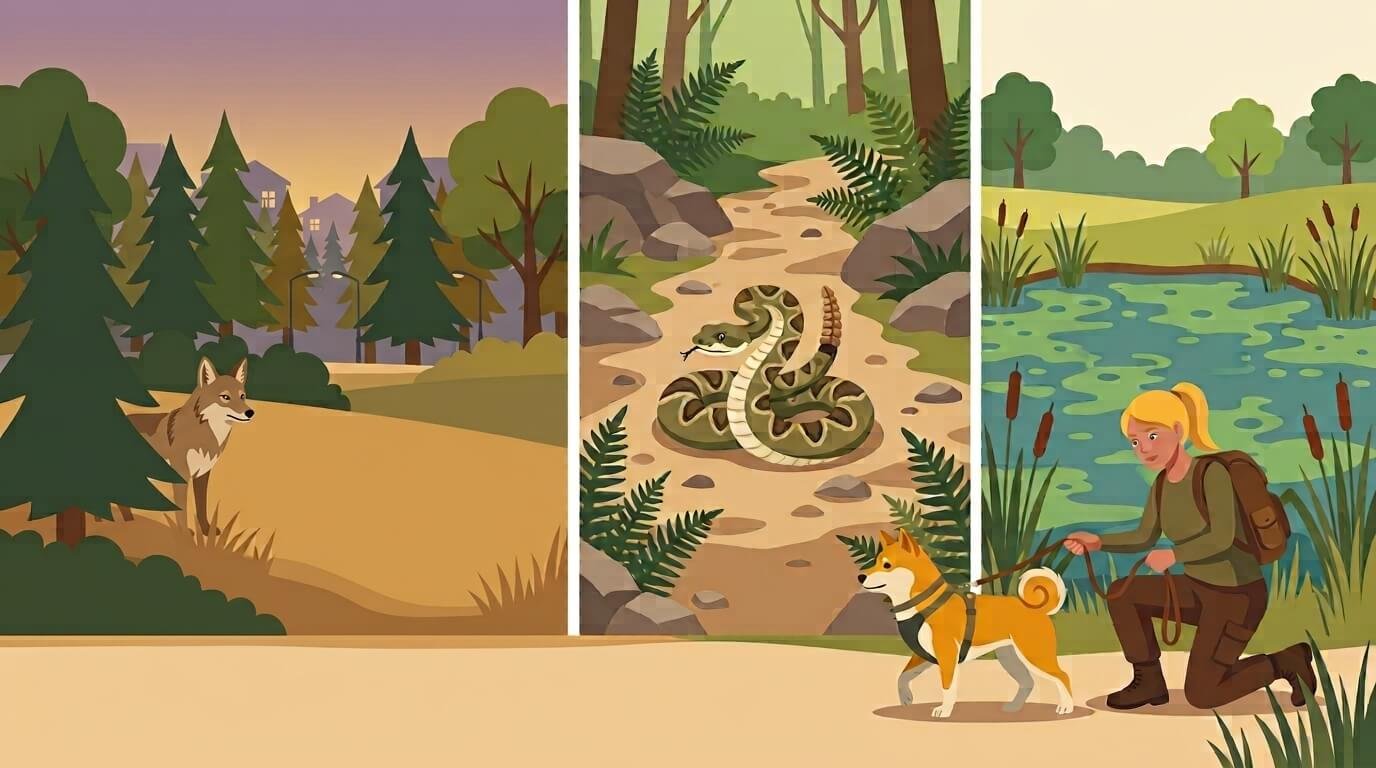
Illustration for wildlife and environmental safety showing three risks: a coyote at a suburban park, a rattlesnake on a trail, and a pond with green algae bloom.

Wildlife Encounters Dog Safety: How to Protect Your Dog from Coyotes, Snakes, and More

The complete overview of wildlife safety for dogs—how to prevent encounters, recognize warning signs, and respond fast when something goes wrong outdoors.
Read the Guide →

Go Deeper

Once you’ve got the basics down, these deep-dive guides cover specific situations in more detail.

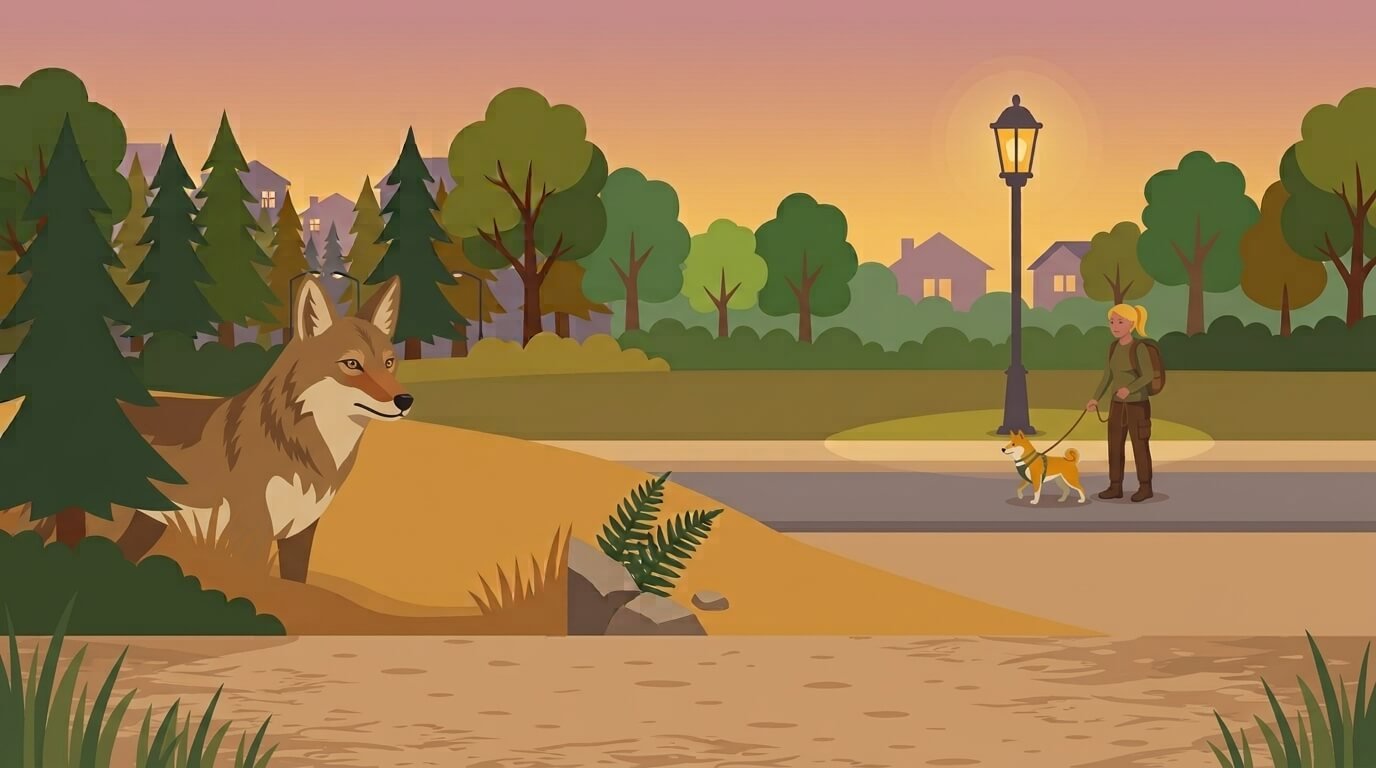
a coyote watching a dog and its owner on a park path at dusk
Wildlife & Environmental Risks

Coyote Attacks on Dogs:
Prevention and Emergency Response

Coyote attacks on dogs are rising—but they're highly preventable. Here's how to avoid encounters, what to do if a coyote approaches, and when to use protective gear.
View this guide →
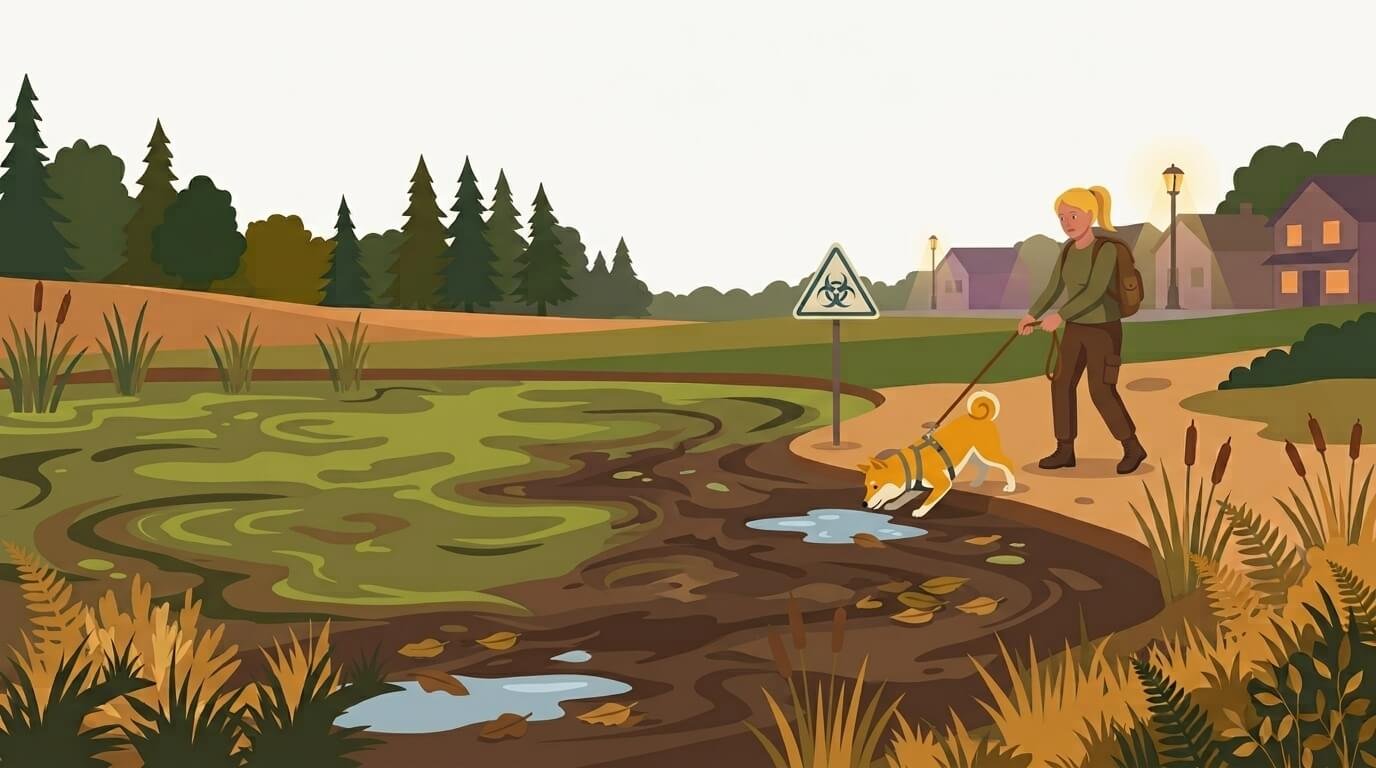
Cartoon illustration of a dog drinking from a puddle outdoors
Wildlife & Environmental Risks

Toxic Water Risks for Dogs:
Blue-Green Algae and Leptospirosis Explained

Toxic water risks for dogs are real. Learn how to spot blue-green algae, prevent leptospirosis, and keep your dog safe around ponds, lakes, and puddles.
View this guide →
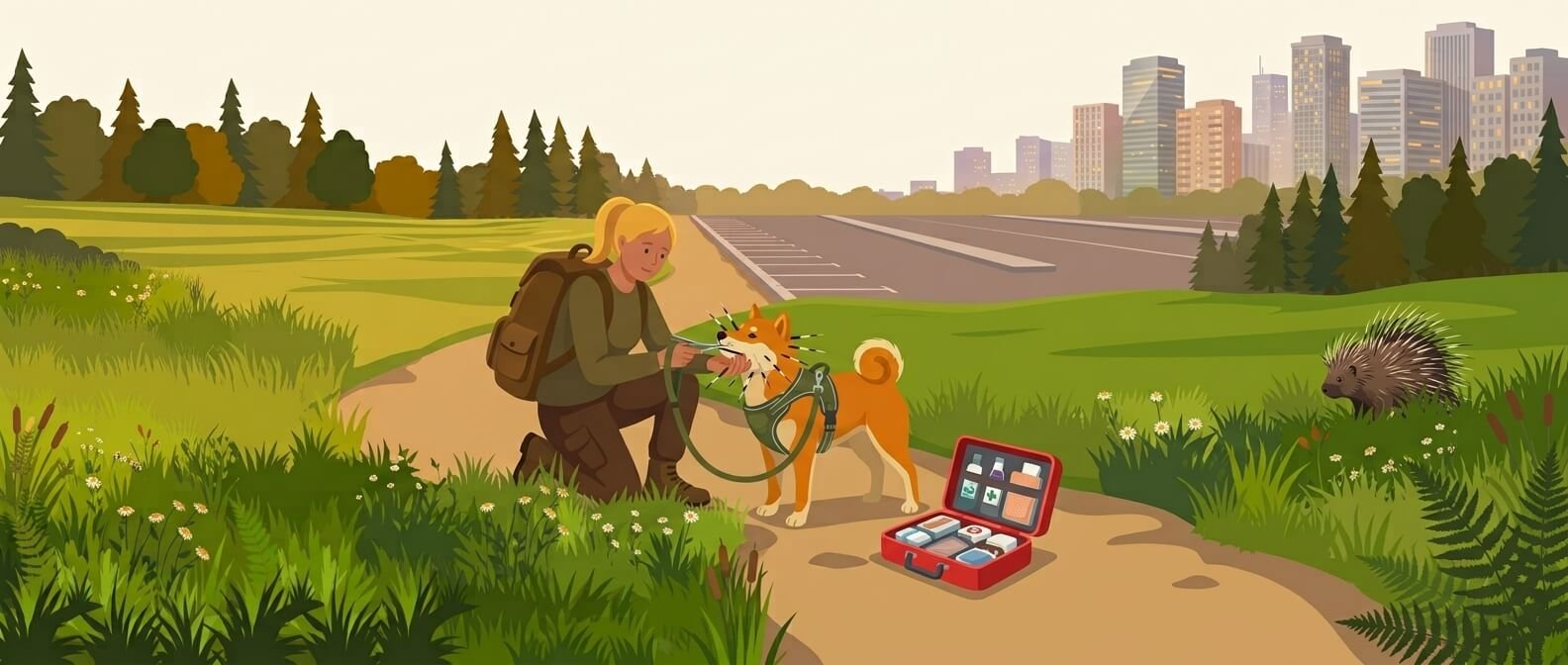
Illustration for wildlife and environmental safety showing an owner examining a dog's muzzle covered in porcupine quills while holding the leash.
Wildlife & Environmental Risks

Wildlife First Aid for Dogs:
Porcupine Quills, Skunk Spray, and More

Steep slopes, loose scree, and uneven terrain are the most common trail hazards for dogs. Here's how to prevent falls, spot risky ground, and keep your dog safe.
View this guide →
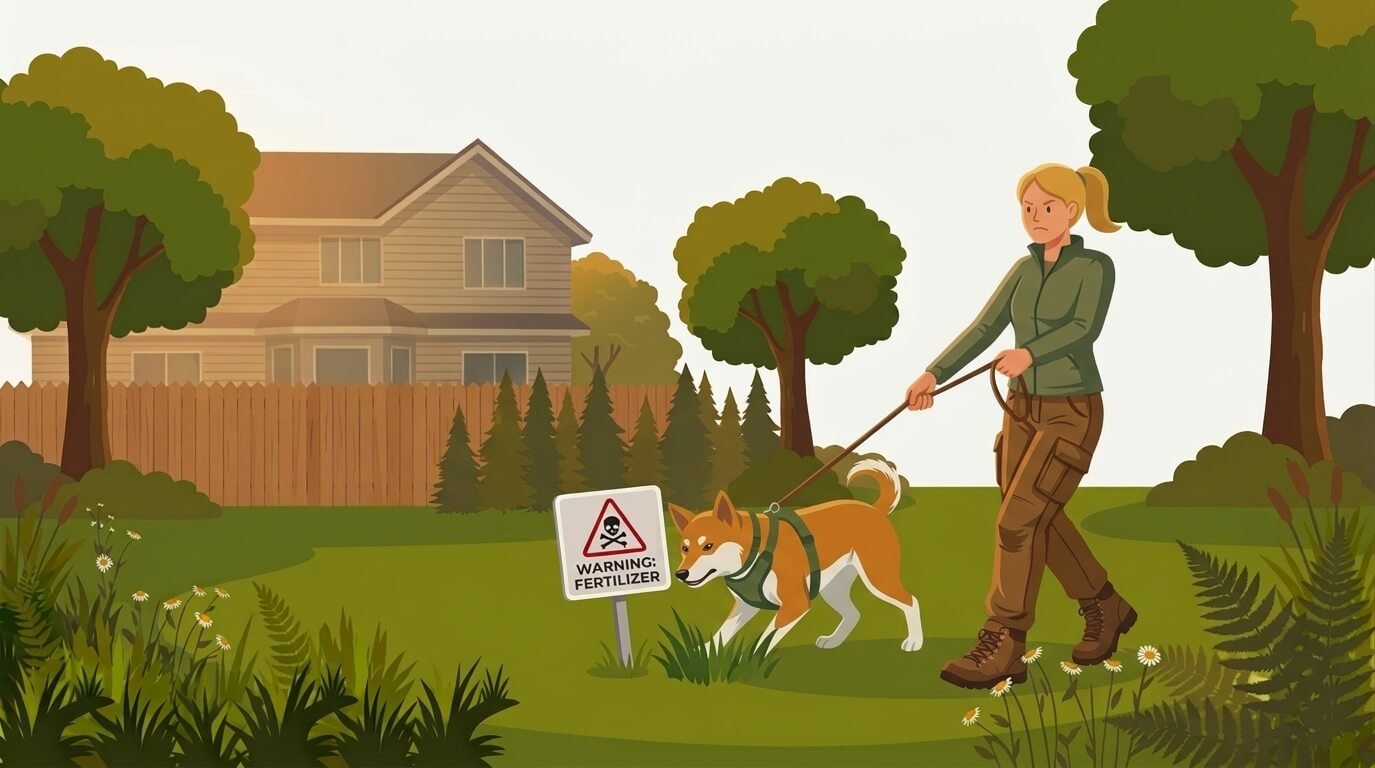
Illustration for wildlife and environmental safety showing a dog sniffing a suburban lawn with poison warning signs while its owner watches.
Wildlife & Environmental Risks

Pesticide Poisoning in Dogs:
Hidden Dangers on Walks

Pesticide poisoning in dogs is a real risk. Learn how to spot rodenticides, lawn chemicals, and antifreeze—and what to do in an emergency.

View this guide →

Frequently Asked Questions

Yes — coyotes are one of the most common wildlife threats to dogs in North America. They're most active at dawn and dusk, and they've been known to attack small and medium-sized dogs. Keep your dog on a short leash, avoid known coyote areas, and never let your dog chase or approach a coyote. If you see one, back away slowly — don't run.

Stay calm and back away slowly. Do not try to move or kill the snake. Keep your dog on a short leash and put distance between you and the snake. If your dog is bitten, keep them calm, limit movement, and get to a vet immediately. Do not try to suck out the venom or apply a tourniquet.

Yes — ponds, lakes, and slow-moving water can contain blue-green algae, leptospirosis, and other harmful bacteria. Symptoms include vomiting, diarrhea, lethargy, and seizures. If you suspect your dog drank contaminated water, contact your vet right away. Bring fresh water on every walk and hike.

Act quickly. Keep your dog outside — skunk spray is oily and spreads easily indoors. Mix a de-skunking solution: 1 quart of 3% hydrogen peroxide, 1/2 cup of baking soda, and 1 teaspoon of dish soap. Apply to your dog's coat, avoiding the eyes and mouth, then rinse thoroughly. Repeat if needed.

Use vet-approved tick prevention year-round — a chewable, topical, or collar. After every outdoor outing, check your dog thoroughly, especially around the ears, armpits, groin, and between the toes. Remove ticks with fine-tipped tweezers, grabbing close to the skin and pulling straight out. Don't squeeze or twist.

Disclaimer: This content is for informational purposes only and does not constitute veterinary or professional safety advice. Always consult with a qualified veterinarian or professional dog trainer regarding your dog’s specific needs and safety considerations.