
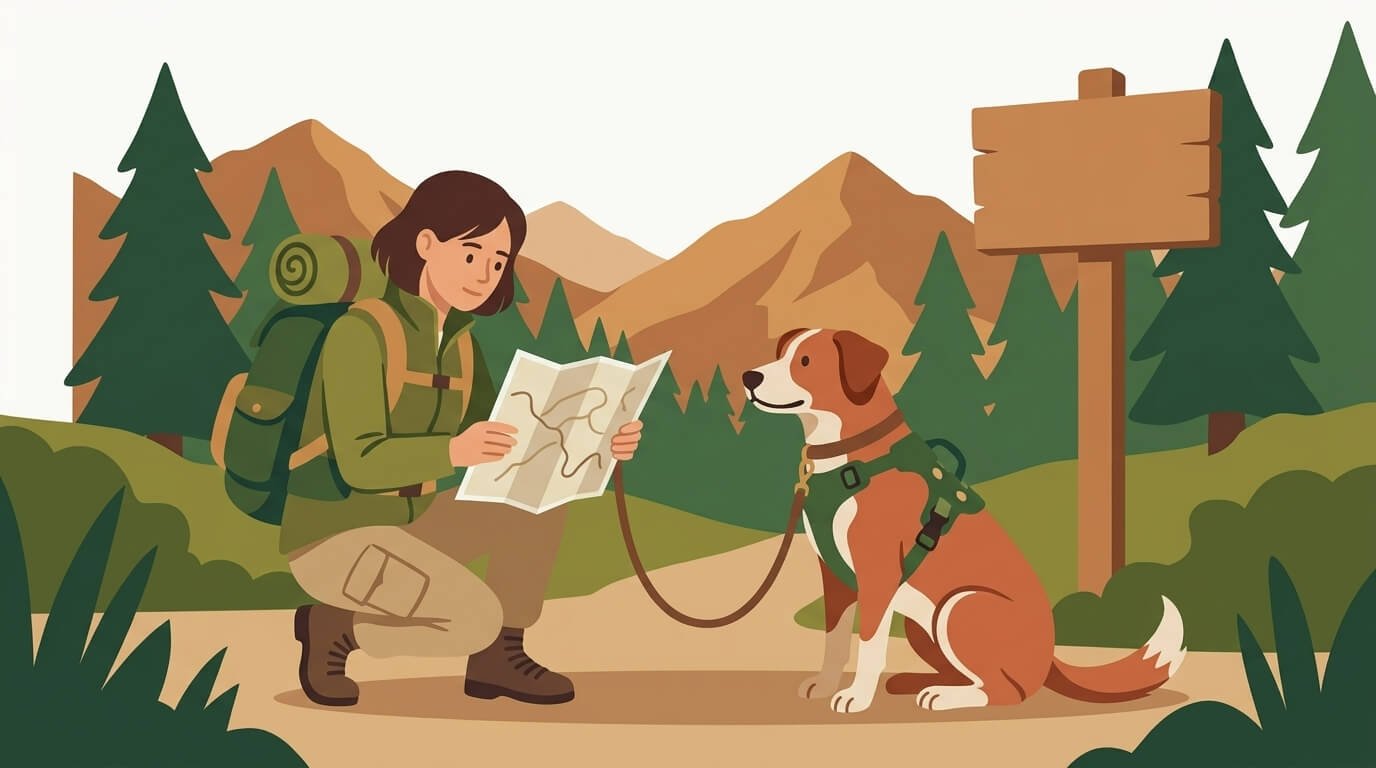
Hiking & Outdoor Hazards:Hiking With Dog Safety Guides
Practical guides for hiking with your dog safely — trail prep, gear, wildlife hazards, heat safety, and more.
Hiking with your dog is one of the best ways to explore the outdoors together. But trails come with risks that city walks don’t — steep terrain, wildlife, toxic plants, and changing weather. The right preparation makes every mile safer for your dog.
This hub collects every guide in our Hiking & Outdoor Hazards series, so you can plan ahead, spot the risks, and keep your dog safe on every trail.
Quick answer: Hiking safely with your dog means preparing before you go, packing the right gear, understanding trail hazards like wildlife and terrain, and knowing what to do in an emergency. This series covers pre-hike prep, essential gear, wildlife and plant dangers, first aid, trail hazards, endurance, and more.
Who This Section Is For
This section is for dog owners who want to hike safely with their dogs:
You’re planning your first hike with your dog
You want to know what gear to bring on the trail
You’re worried about wildlife, toxic plants, or steep terrain
You want to know what to do if your dog gets injured or lost on a hike
Start Here
Start with our complete guide to hiking with dog safety.
Hiking With Dog Safety: The Ultimate Guide to Prep, Gear & Trail Etiquette
Discover essential hiking with dog safety tips! From pre-hike prep and must-have gear to trail etiquette and wildlife hazards, this guide keeps your pup safe.

Go Deeper
Once you’ve got the basics down, these deep-dive guides cover specific situations in more detail.
Dangerous Wildlife & Plants on Trails: What Every Dog Owner Must Know
Snakes, bears, toxic mushrooms, and poison oak—learn how to protect your dog from dangerous wildlife and plants for dogs on the trail. Practical, vet-informed tips.
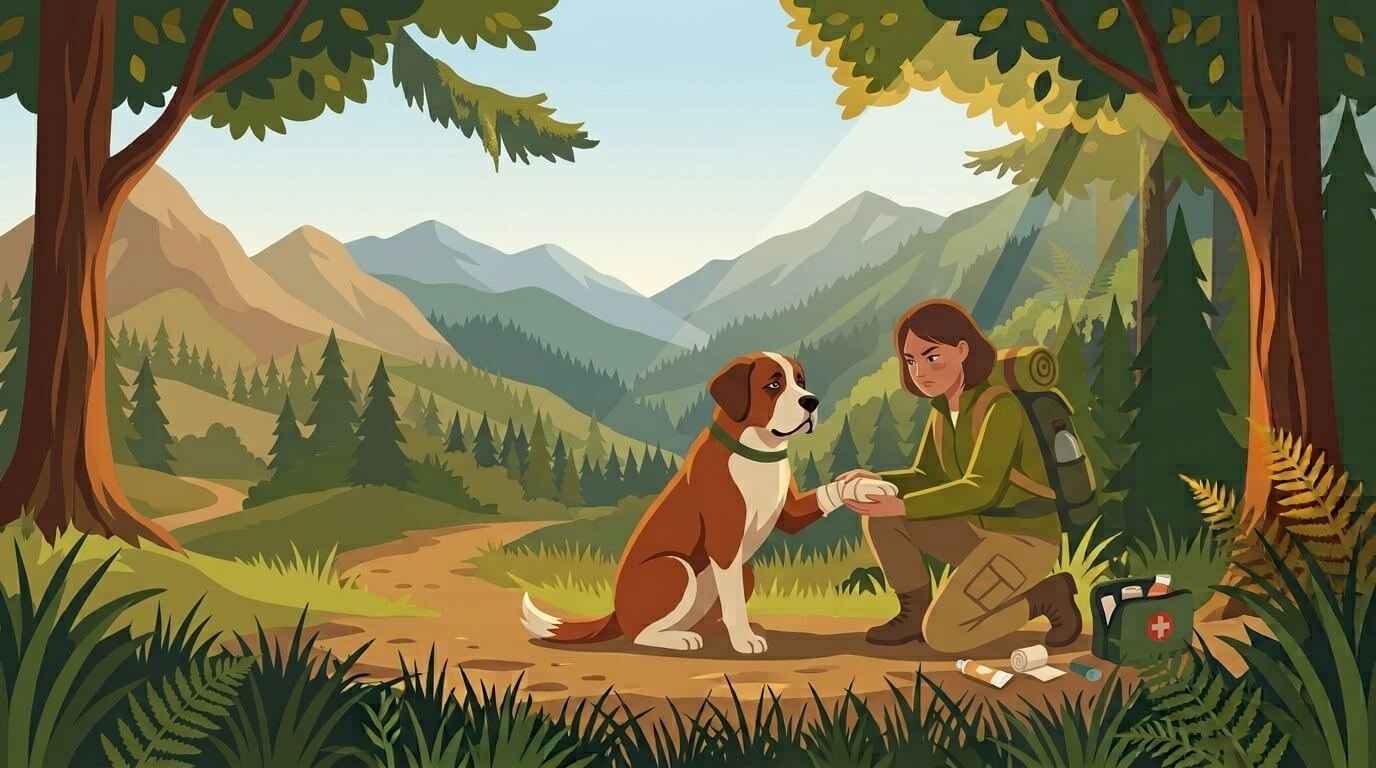
Dog Hiking First Aid: Injuries, Paw Care & Emergency Carries
Paw pad injuries, sprains, cuts, and emergency carries—here's how to handle dog hiking first aid on the trail. Practical, vet-informed steps for hiking with dog safety.
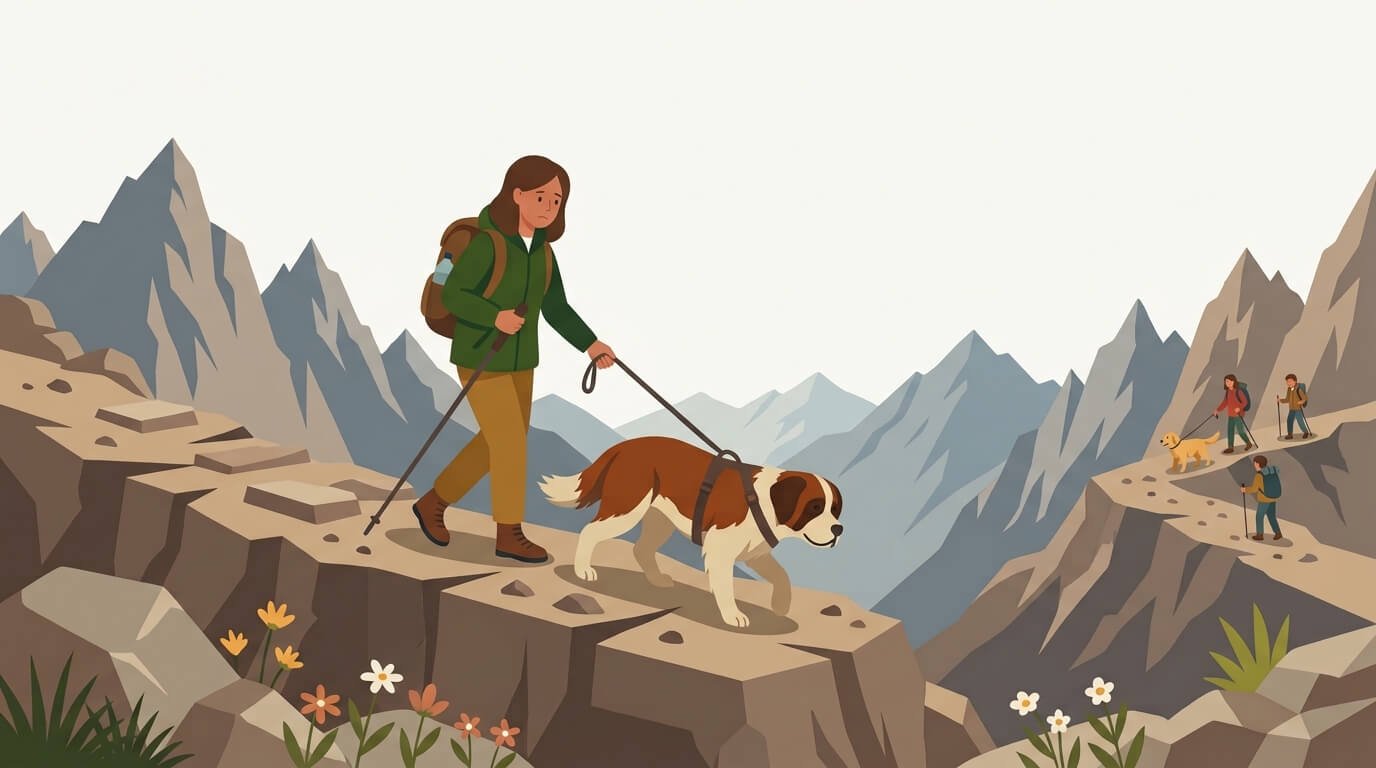
Trail Hazards for Dogs: Risky Terrain, Steep Slopes & How to Prevent Falls
Steep slopes, loose scree, and uneven terrain are the most common trail hazards for dogs. Here's how to prevent falls, spot risky ground, and keep your dog safe.
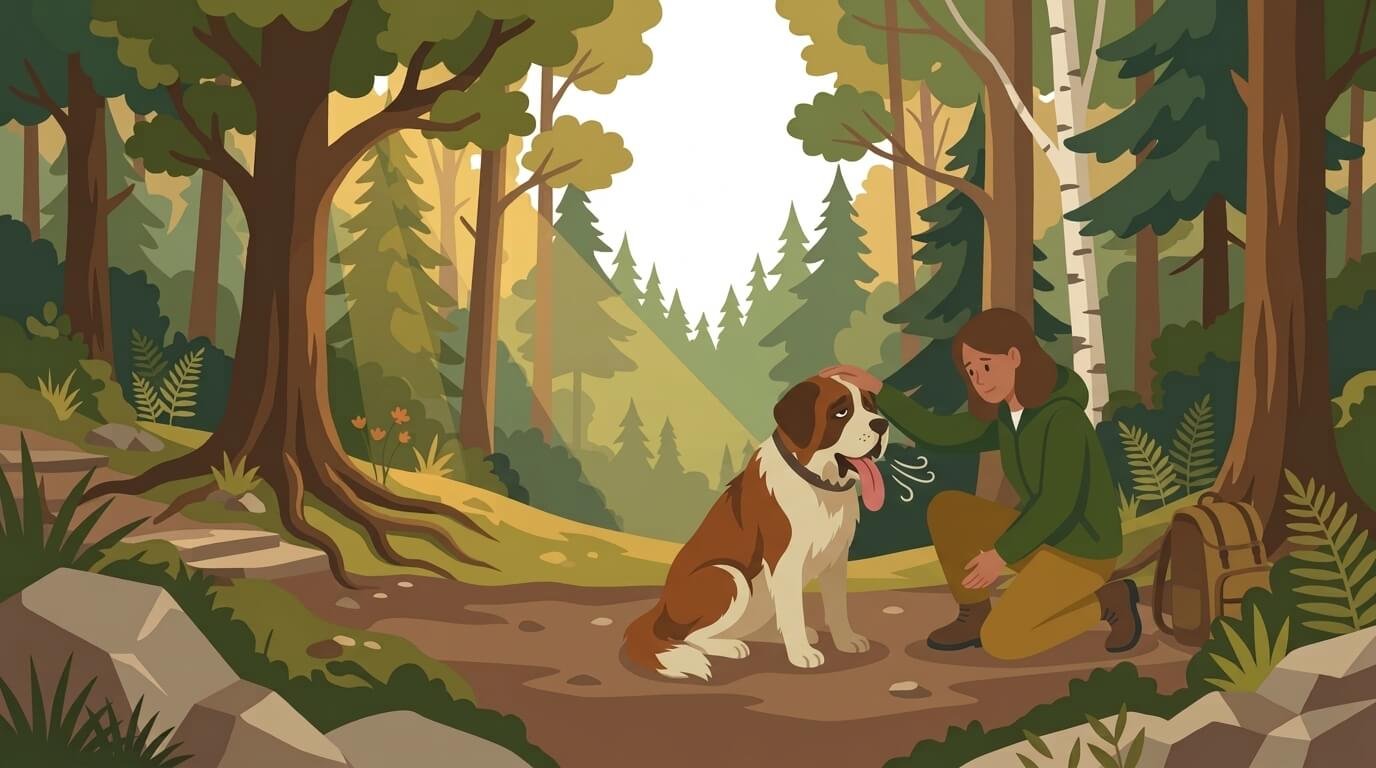
Dog Hiking Endurance: Preventing Trail Fatigue and Getting Lost
Learn how to prevent dog hiking endurance issues! Spot the signs of fatigue, build stamina, and use vital tips to stop your dog from getting lost.
Frequently Asked Questions
For most healthy dogs, yes — hiking is great exercise and mental stimulation. But safety depends on your dog's age, breed, fitness level, and trail conditions. Start with short, easy trails, avoid extreme heat, and check with your vet first if your dog is a puppy, senior, or has health issues.
It depends on your dog's breed, age, and fitness. A general rule: start with 1–2 miles and build up gradually. Flat-faced breeds like pugs and bulldogs overheat easily and should stick to short, shaded walks. Working breeds like retrievers and shepherds can often handle longer distances once conditioned.
At minimum: water and a collapsible bowl, a short leash, poop bags, high-energy treats, and a basic first-aid kit. For longer or rockier trails, add paw protection, a long line, and a towel. Always bring more water than you think you'll need — for both of you.
On most public trails, yes — and it's usually the law. Leashes protect your dog from wildlife, other dogs, cliffs, and trail hazards you can't see. Even if your dog has perfect recall, keep them leashed in unfamiliar areas, near wildlife, or anywhere with steep drop-offs.
Stay calm and assess the injury. For minor cuts or paw injuries, clean and bandage if you have supplies. For anything serious — limping badly, bleeding heavily, or unable to walk — carry your dog out or call for help. Never force an injured dog to keep hiking. Get to a vet as soon as possible.
Disclaimer: This content is for informational purposes only and does not constitute veterinary or professional safety advice. Always consult with a qualified veterinarian or professional dog trainer regarding your dog’s specific needs and safety considerations.