
Your Complete Walking Safety Guide

Dog Walking Safety: Everything You Need to Know

Practical guides for walking your dog safely — leash choices, traffic smarts, curb training, and more...

Walking your dog is one of the simplest ways to keep them healthy and happy. But streets, sidewalks, and public paths come with risks that owners often overlook — traffic, hot pavement, leash pull injuries, and hazards you can’t see until it’s too late. The right habits make every walk safer for your dog.

This hub collects every guide in our Walking & Road Safety series, so you can plan ahead, spot the risks, and keep your dog safe on every walk.

Quick answer: Walking your dog safely means using the right leash and harness, keeping your dog on the inside of the sidewalk, teaching curb training, and staying visible at night. This series covers leash choices, traffic safety, curb training, sidewalk hazards, night walking, and more.

Who This Section Is For

This section is for dog owners who want to walk their dogs safely:

  • You’re planning a daily walk routine with your dog

  • You want to know the safest way to walk near traffic

  • You’re worried about hot pavement, night walking, or reactive dogs

  • You want a leash and harness that actually works

Start Here

Start with our complete guide to walking safety.

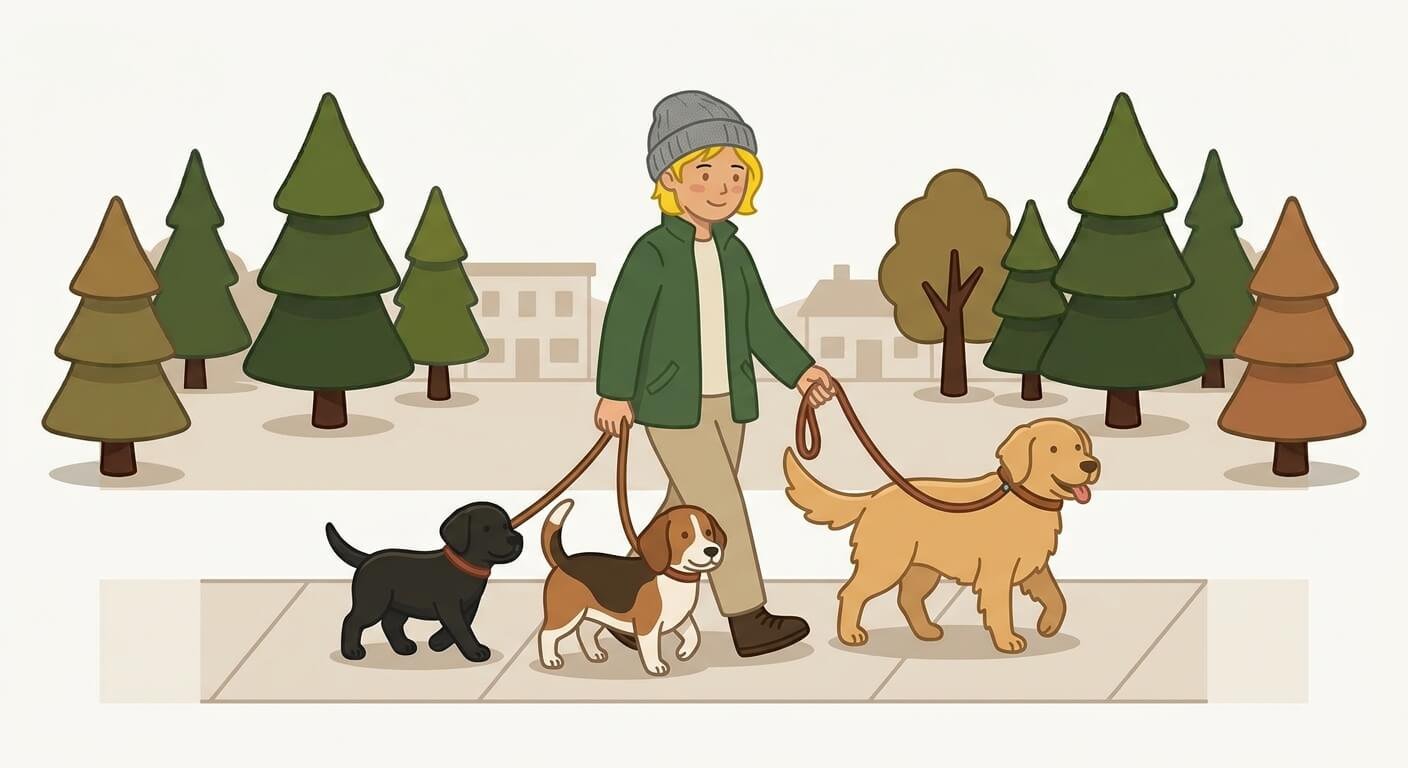
Illustration for outdoor dog safety showing a woman walking three different dog breeds calmly on leashes.

The Complete Dog Walking Safety Guide: Protect Your Pup on Every Walk

Everything you need to know before your next walk — gear, habits, and the most common mistakes to avoid. If you only read one thing, start here.
Read the Guide →

Go Deeper

Once you’ve got the basics down, these deep-dive guides cover specific situations in more detail.

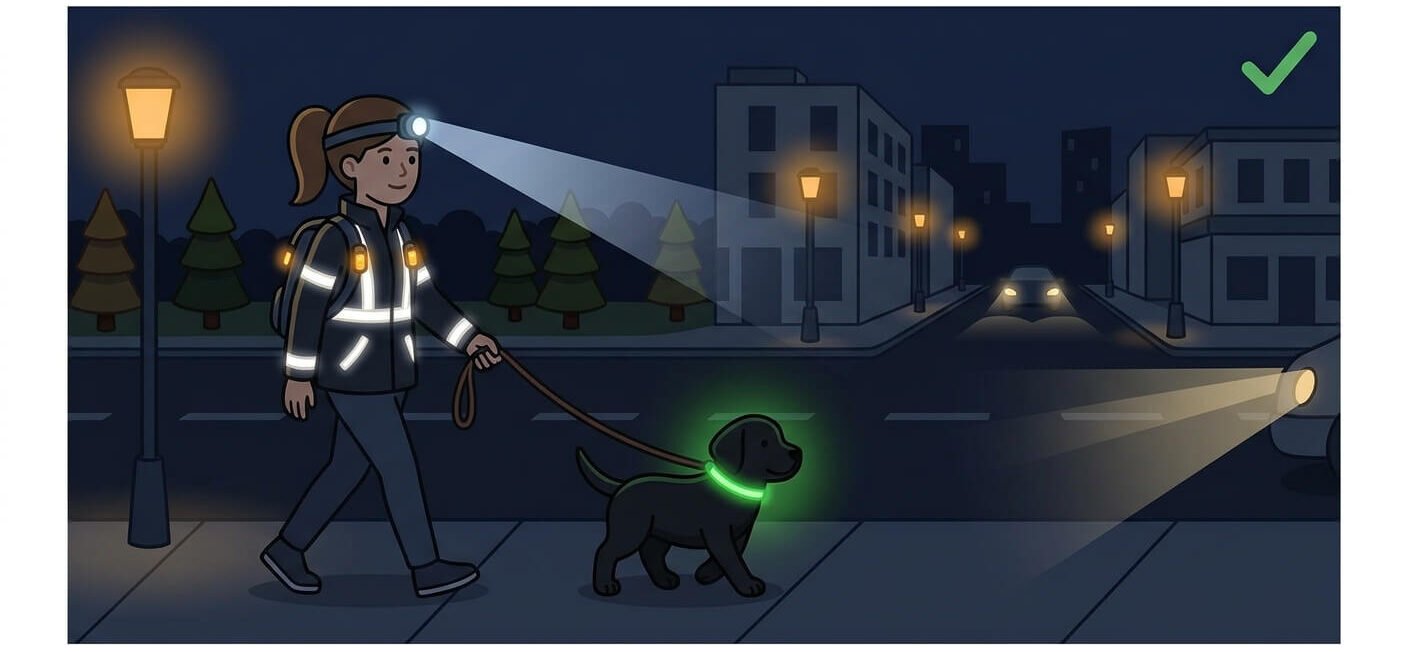
Illustration for night dog walking safety showing an owner and dog wearing reflective and LED gear on a night walk.
Walking & Road Safety

Night Dog Walking Safety: How to Stay Visible and Avoid Hazards After Dark

Keep your dog safe on nighttime walks. Learn about reflective gear, driver blind spots, wildlife risks, and essential safety tips for night dog walking safety.
View this guide →
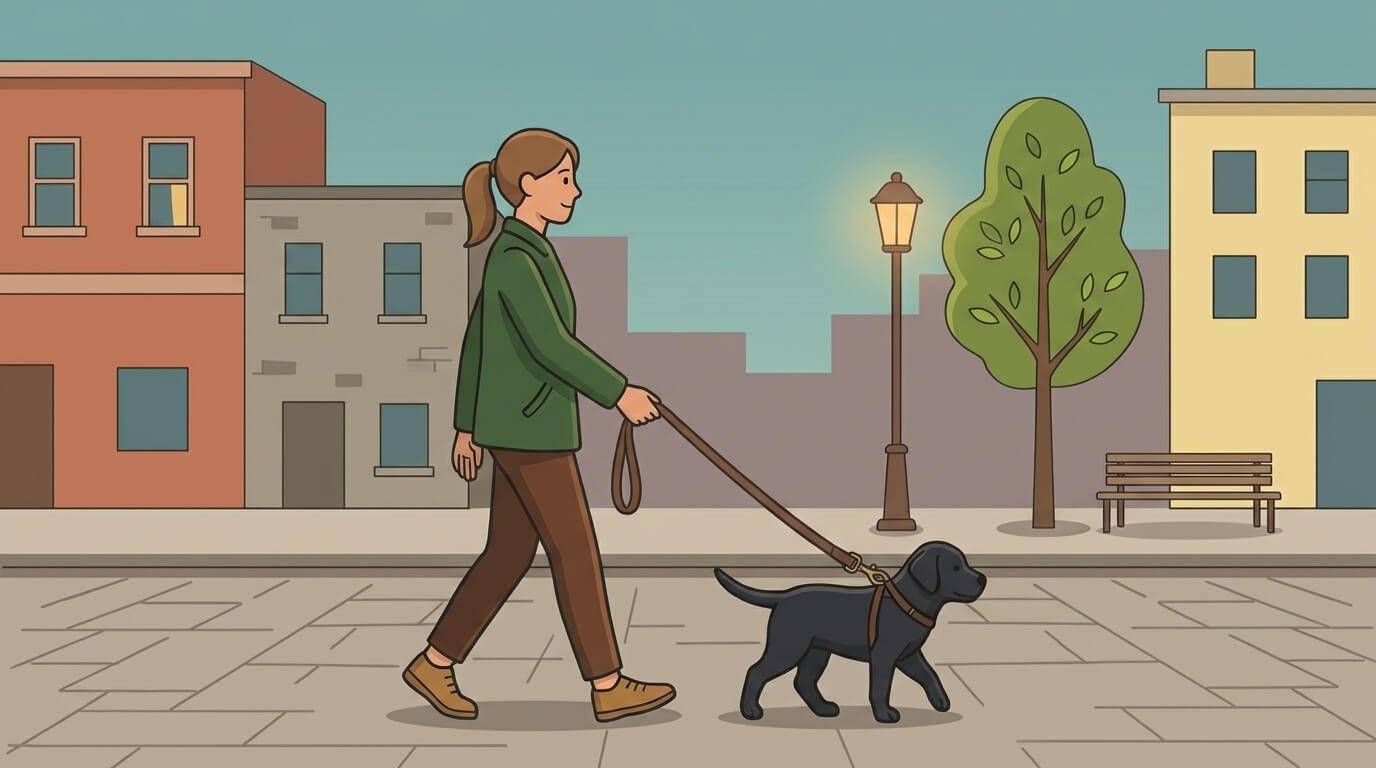
Illustration for sidewalk hazards for dogs showing a woman walking her dog on a sidewalk.
Walking & Road Safety

Best Leash for Walking Dog: Fixed vs Retractable on Road Walks

Choosing the best leash for Walking Dog. Compare fixed-length vs retractable, leash length, harness vs collar, and safety tips for walking your dog near traffic.
View this guide →
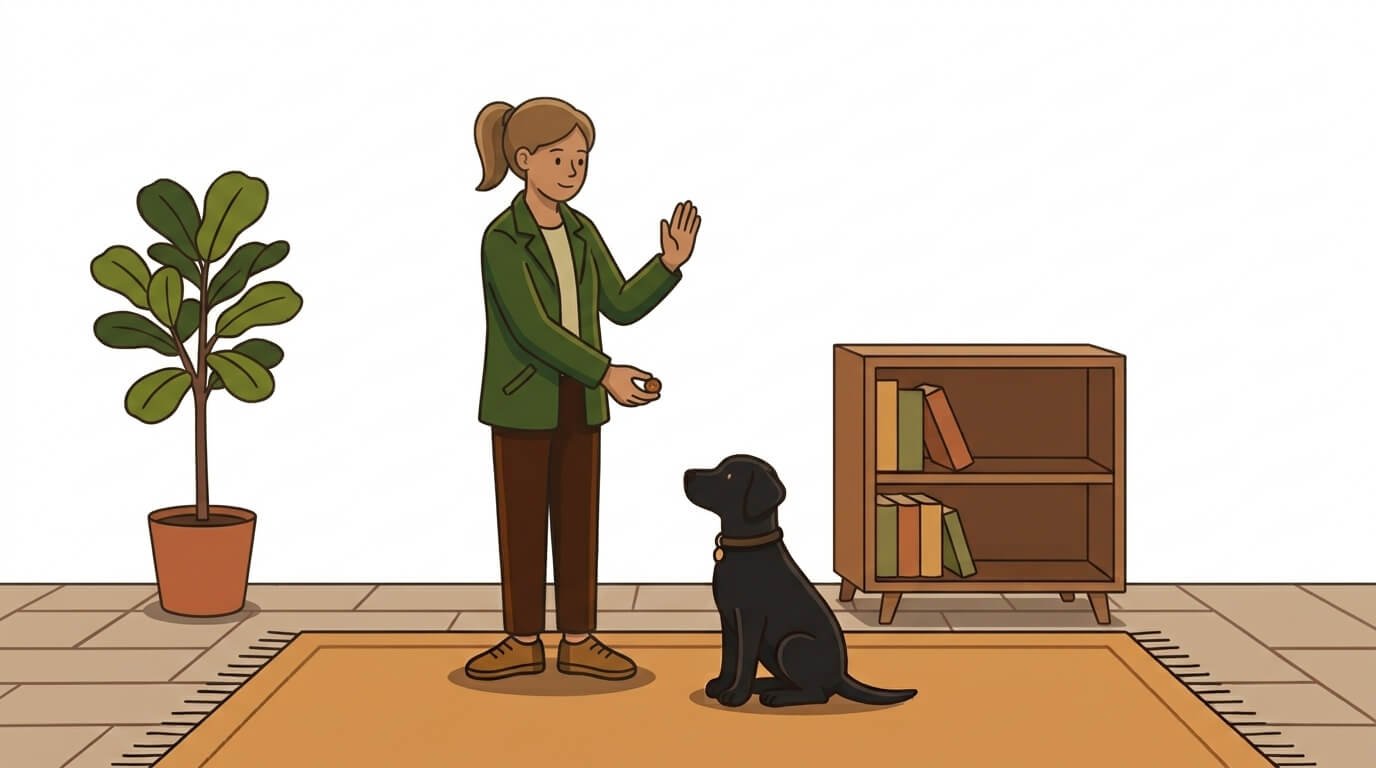
Illustration for dog curb training showing a dog practicing "sit" at home before learning to wait at the curb.
Walking & Road Safety

Dog Curb Training: How to Teach Your Dog to Wait and Cross Roads Safely

Learn dog curb training step by step. Teach your dog to wait at the curb, cross roads safely, and handle distractions with this complete training guide.
View this guide →
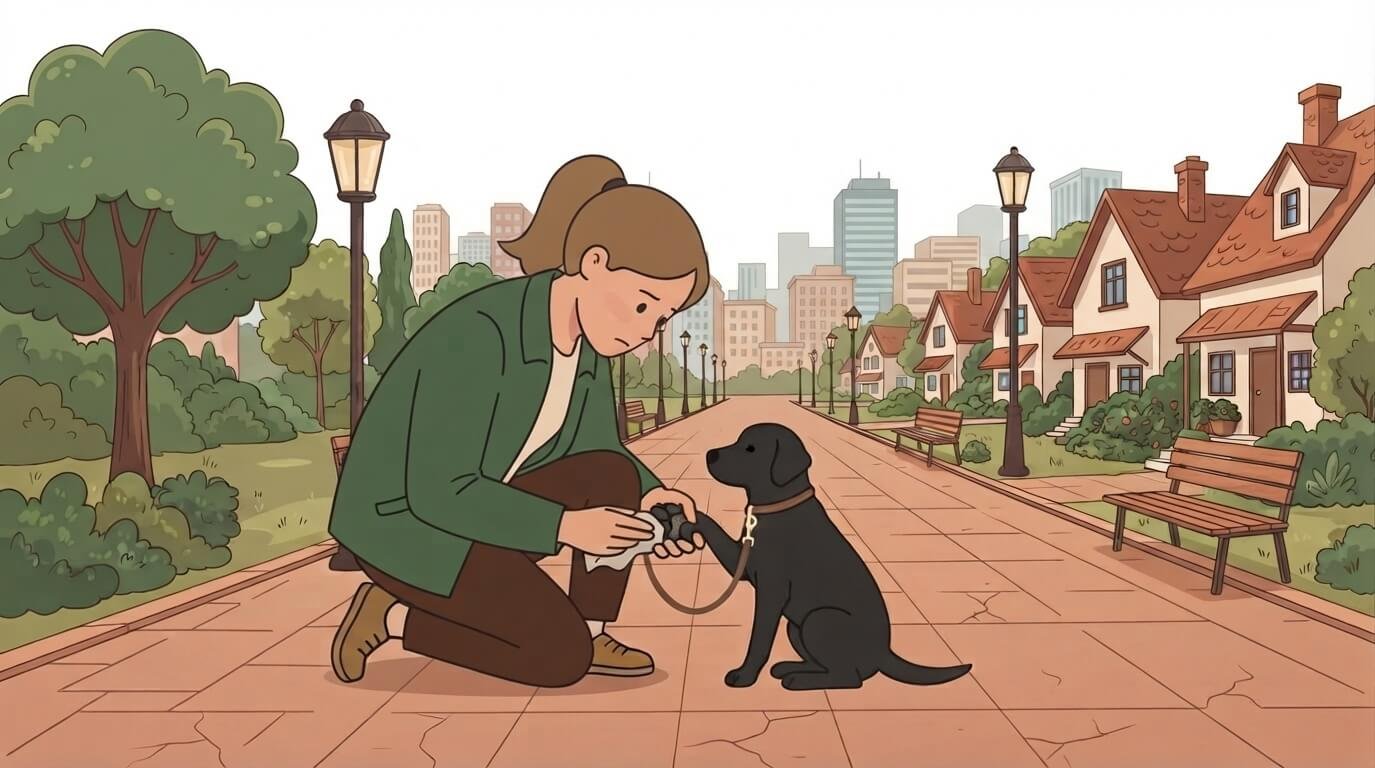
Illustration for sidewalk hazards for dogs showing an owner checking and cleaning her dog's paw after a walk.
Walking & Road Safety

Sidewalk Hazards for Dogs: What Every Owner Should Know

Learn about common sidewalk hazards for dogs—hot pavement, glass, chemicals, and uneven surfaces. Keep your dog's paws safe on every walk.

View this guide →

Frequently Asked Questions

Always walk your dog on the inside of the sidewalk — you between them and the cars. Use a fixed-length leash (4–6 feet), and teach your dog to stop and wait at every intersection. See our Dog Walking Safety Guide.

Yes, with the right precautions. Wear reflective gear, use a lighted leash or collar, stick to well-lit routes, and stay aware of your surroundings. Avoid dark paths, empty parks, and secluded areas. See our Night Dog Walking Safety guide.

For most dogs, a harness is safer — it distributes pressure across the chest and reduces strain on the neck. Collars are fine for ID tags, but for walks, especially with dogs who pull, a well-fitted harness is the better choice. See our Best Leash guide.

Stay calm, keep distance, and create space before your dog reacts. Use a short leash, avoid tight spaces, and reward calm behavior. Consider working with a trainer if reactivity is severe. See our Dog Walking Safety Guide.

Start with a front-clip harness or a no-pull harness, and reward your dog for staying near you. Practice loose-leash walking in low-distraction areas first, then gradually add distractions. Consistency matters more than tools. See our Best Leash guide.

At minimum: poop bags, water (for longer walks), a leash, and ID tags. For hot days, bring water and check the pavement. For night walks, add reflective gear and a light.

Disclaimer: This content is for informational purposes only and does not constitute veterinary or professional safety advice. Always consult with a qualified veterinarian or professional dog trainer regarding your dog’s specific needs and safety considerations.